Another Fresh Seafood Idea
Once passed over because of their muddy, oily taste, today’s catfish have a new image. Farm-raised, they are fed a grain diet which ensures a mild, “non-fishy” flavor. They are so mild, in fact, that they often need more seasonings than some other fish.
Catfish are versatile and can be enjoyed in a variety of ways. Try grilling, broiling, baking, stir-frying or other favorite cooking methods. And of course there are always the traditional delicious fried catfish recipes.
Flaky and moist, mild-flavored catfish can be substituted for most white-fleshed fish in recipes.
A typical 3 ½-ounce serving is low in calories, fat and cholesterol and high in protein.
Also included is our recipe for tartar sauce, which we think is just about the best.
- 6 small catfish fillets
- 3 tablespoons margarine or butter, melted
- ½ teaspoon onion powder
- ½ teaspoon garlic powder
- ½ teaspoon salt
- ¼ teaspoon freshly ground black pepper
- ¼ teaspoon cayenne pepper
- ½ teaspoon dried thyme leaves
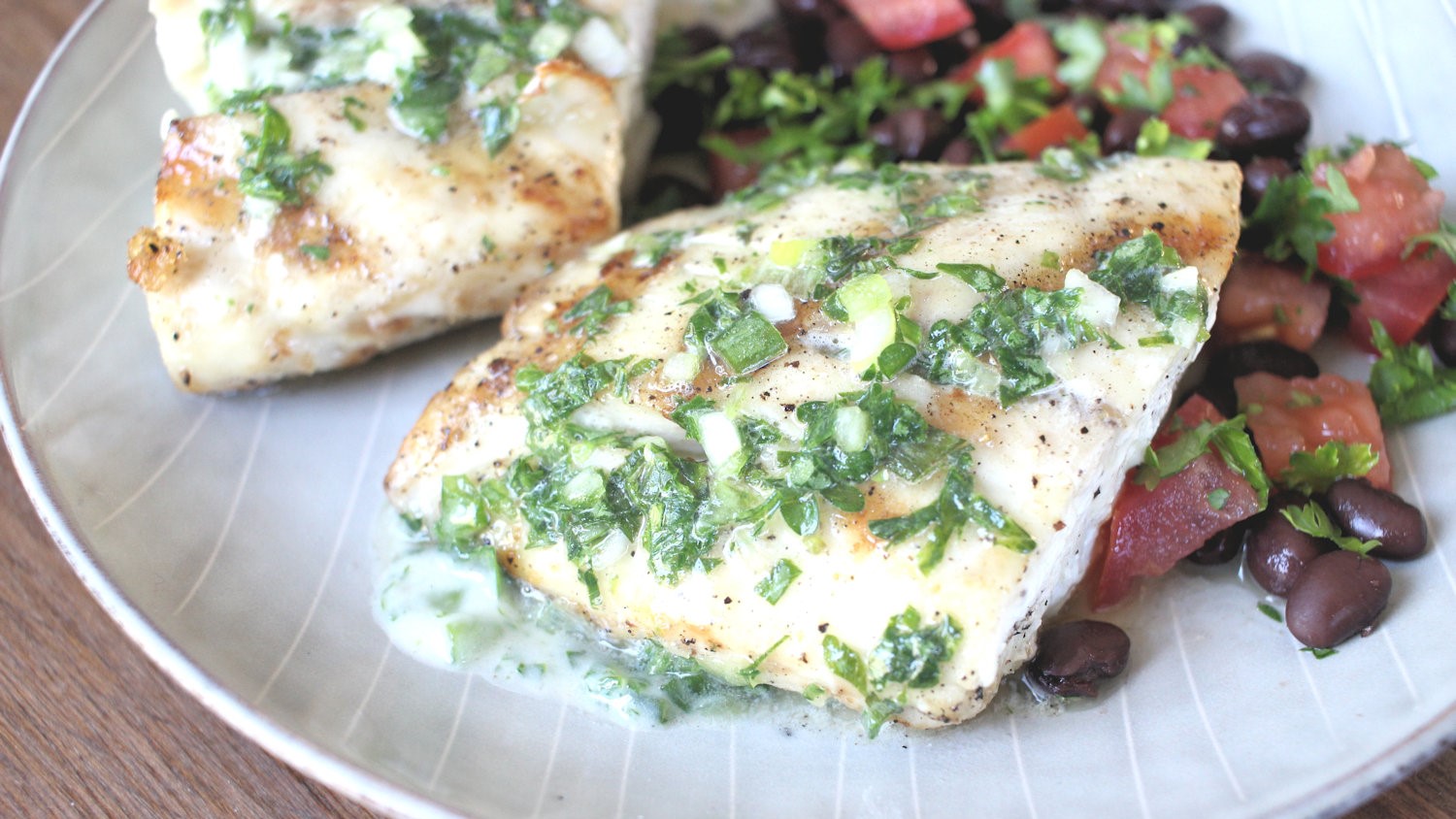
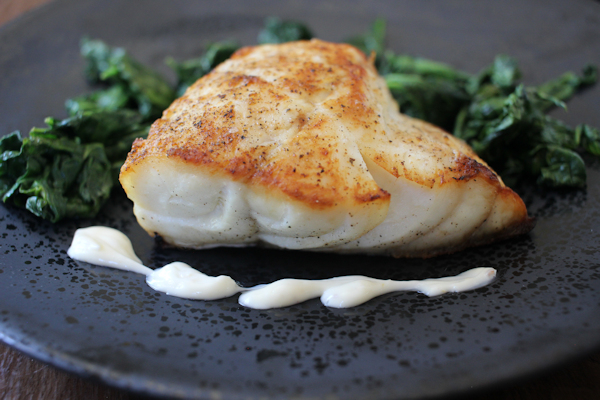
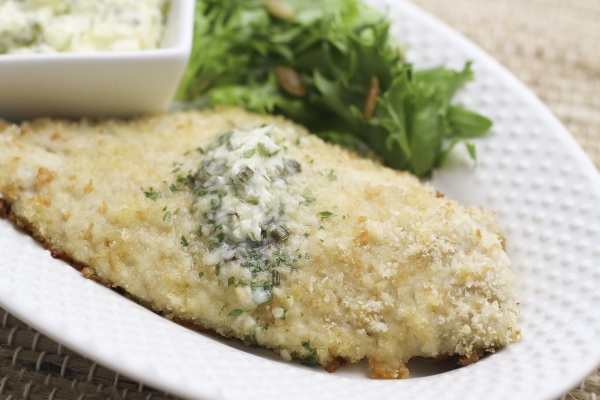
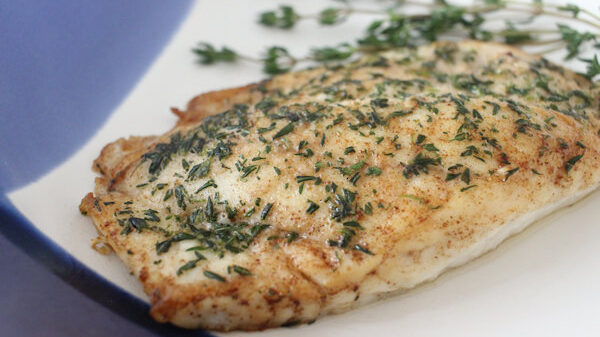
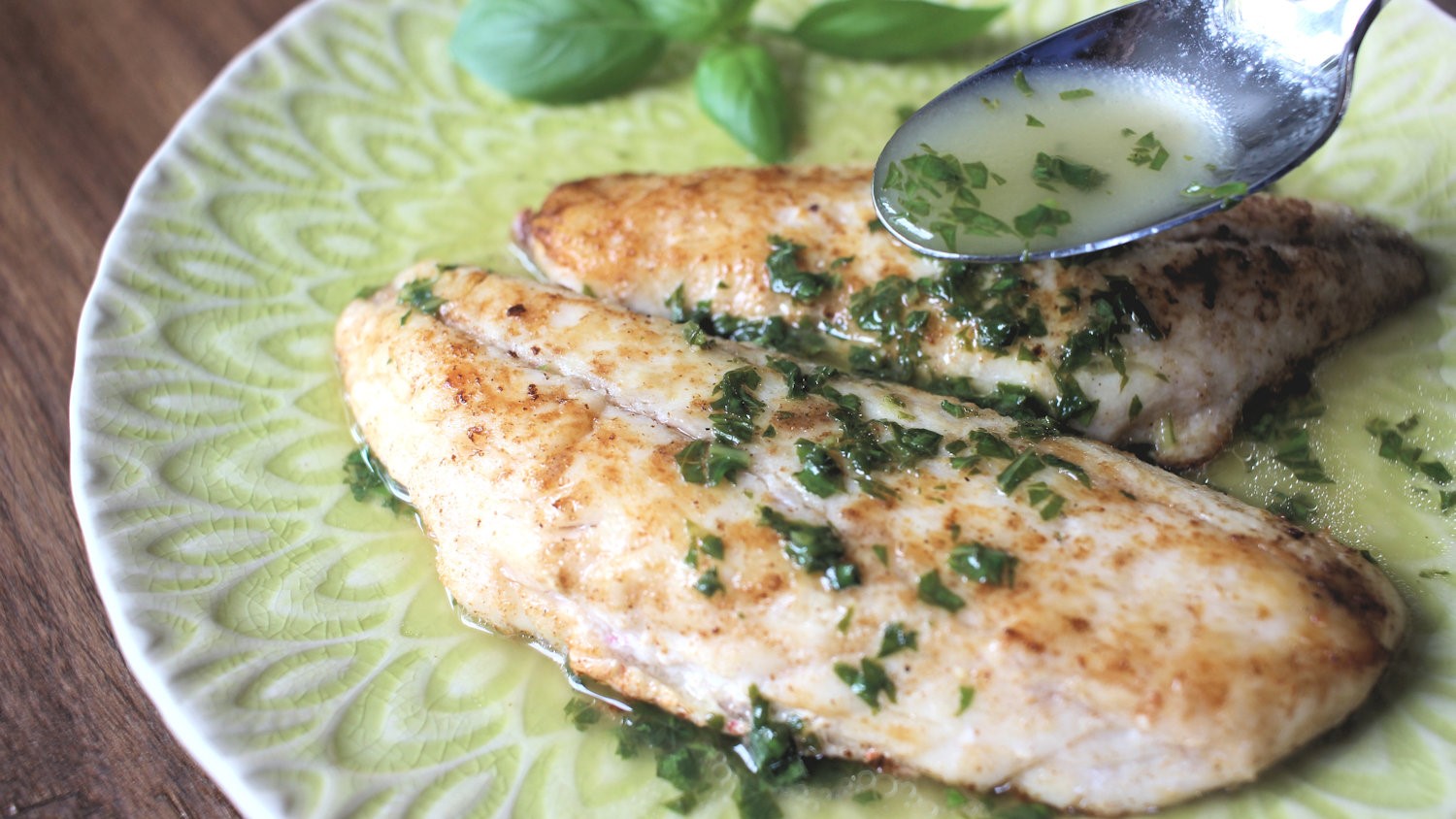
In small bowl, mix onion powder, garlic powder, salt, pepper, cayenne and thyme. Place fish in lightly greased baking dish. Brush tops with margarine. Sprinkle with seasoning mix. Bake at 450 F until fish flakes easily with a fork, about 6 to 8 minutes.
Tartar Sauce:
- ¾ cup mayonnaise

- 1 tablespoon minced onion
- ½ cup finely chopped dill pickle
- 1 tablespoon dill pickle juice
- 1 tablespoon fresh lemon juice
- chopped pulp from ½ lemon
- 1 tablespoon vinegar
- ¼ cup finely chopped fresh parsley
Mix all ingredients together. Chill thoroughly before serving. Makes about 1 cup.
From: Mariner’s Menu: 30 Years of Fresh Seafood Ideas.
Contributed by Joyce Taylor
HOW TO SELECT, HANDLE, CLEAN AND STORE SEAFOOD
Catfish products are sold by processors to institutional and retail markets. The majority of catfish products are packaged and delivered fresh (ice packed), individually quick frozen (IQF) or chill packed. 
The traditional product form of processed catfish is the whole dressed fish. This is a catfish that has been headed, gutted and skinned (HGS). However, a growing percentage of sales are generated when the dressed fish is further processed into a variety of cuts or forms, including:
- regular fillets
- shank fillets (regular fillet with the belly flap or nugget removed)
- fillet strips
- nuggets (belly flaps and other fillet trim)
- steaks
During the latter part of the 1980s, specialty products made their way into the marketplace. Whole dressed catfish and fillets, coated or marinated with flavors and spices such as lemon-butter, Cajun and mesquite, can be found in the seafood section of grocery stores.
For more information, go to Carolina Classics Catfish or the Southern Regional Aquaculture Center.
Contributed by David Green
SEAFOOD TRADITIONS
Rob Mayo (RM), President of Carolina Classics Catfish, Inc. of Ayden, NC talks with David Green (DG) about the types of products and market opportunities for North Carolina grown catfish. 
DG: How long has your company been in the catfish business?
RM: We opened Carolina Classics Catfish in October 1985, 25 years ago.
DG: What type of products do you offer consumers?
RM: We sell fresh and frozen boneless catfish fillets, strips, portions, nuggets and traditional whole dressed fish. We used to sell 40 percent whole dressed fish when we first opened. Today this form makes up only 10 percent of our sales and the boneless forms make up the majority.
DG: What is your most popular product form today?
RM: We sell an “all natural” boneless fillet in Whole Foods Markets nationwide that contains no additives, no farm chemicals, and no land animal proteins in the fish feed. This is as close to organic as you get without a USDA definition for “organic fish.”
DG: What new market opportunities do you foresee for catfish in the future?
RM: The recent economic situation has shifted industry efforts away from high priced value-added products such as lobster and crabmeat stuffed catfish back to more easy-to-prepare, convenience items that give consumers the good value they look for today.
For more information on Carolina Classics Catfish, go to NC Department of Agriculture & Consumer Services Markets Division.
Contributed by David Green
NORTH CAROLINA FISHERIES
Originally native to the Gulf States and the Mississippi Valley from Mexico north to Canada, the channel catfish is the most commercially important aquatic species cultured in this country.
In the wild, catfish thrive in fresh and brackish waters throughout the United States. They inhabit large reservoirs, lakes, ponds and in sluggish streams where bottoms are sand, gravel or rubble. They prefer clear streams but are common in muddy waters.
Catfish feed day or night near the bottom but will take some food from water surfaces. Catfish primarily detect food with sense of taste, and taste buds are located over their entire external surface as well as inside the mouth. In turbid waters where visibility is extremely low, taste is the primary way they find food.
According to the National Fisheries Institute, a global trade organization for seafood processors, catfish ranked fifth among the ten most popular food fish in the United States. In 2008, there were 28 catfish producers in North Carolina with 1,944 pond acres under cultivation that produced 8.4 million pound of fish. The retail value of catfish for a major North Carolina catfish processor was nearly $13 million, making it an important commodity to the state’s burgeoning aquaculture industry.
For more information on catfish production, go to NC Cooperative Extension.
Contributed by Barry Nash