Monthly Archives: January 2010

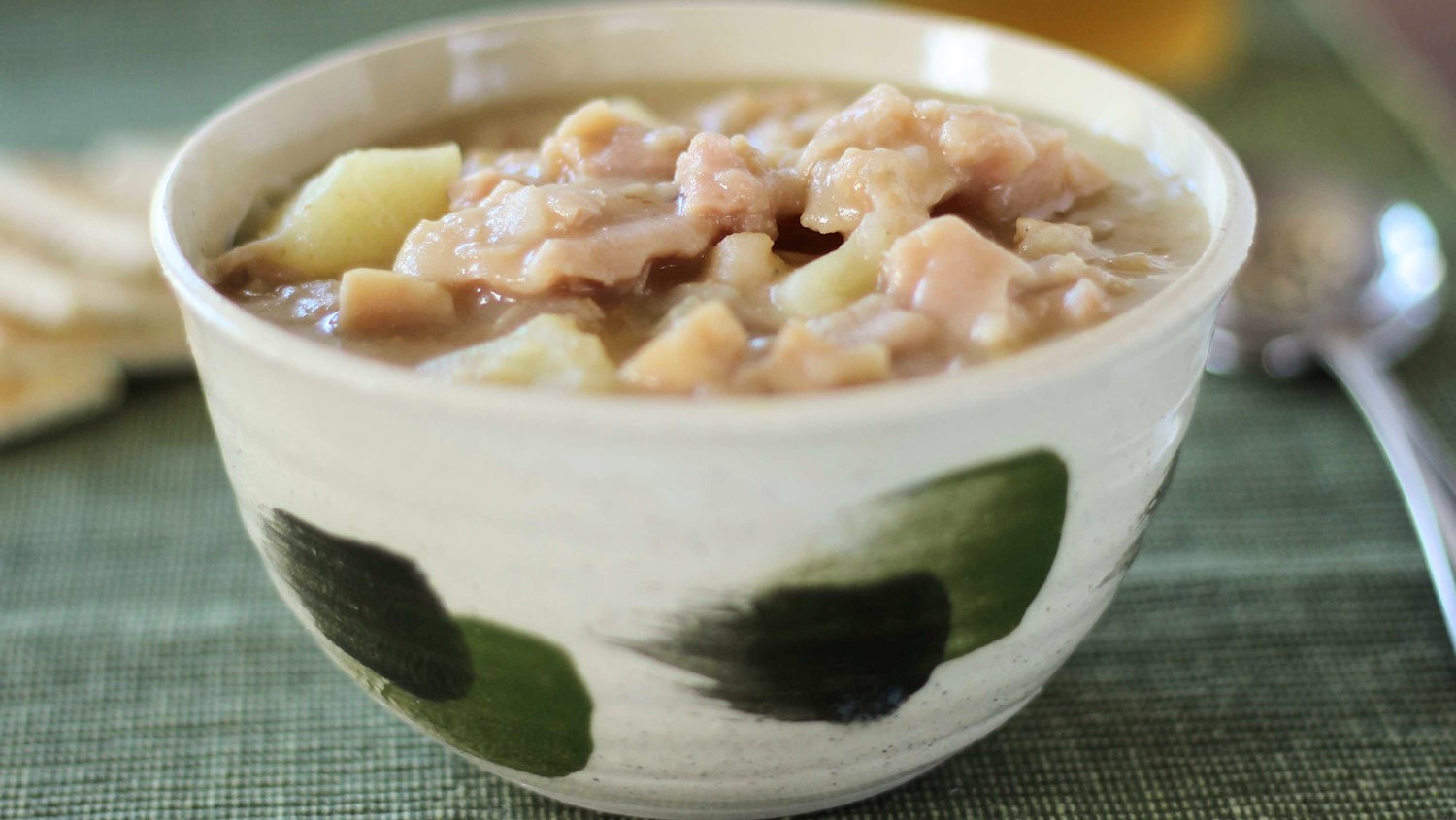
Hearty Clam Chowder

Another Fresh Seafood Idea

(Printer-friendly version)

Available year-round, the native hard clam, or quahog, has always been a coastal favorite.

Clams may be bought in the shell or shucked. Those in the shell should be heavy and tightly closed, or should close when tapped lightly. They should have a pleasant, briny odor. Discard any with open or broken shells.

You can also buy clams already shucked. Clam meat is translucent. Its color ranges from ivory to golden brown. The liquid should be clear or slightly opaque.

Markets classify hard clams by size. The smallest, under 2 inches, is called the littleneck, after Little Neck Bay on Long Island, where they were once plentiful. We’re using littlenecks in this recipe.

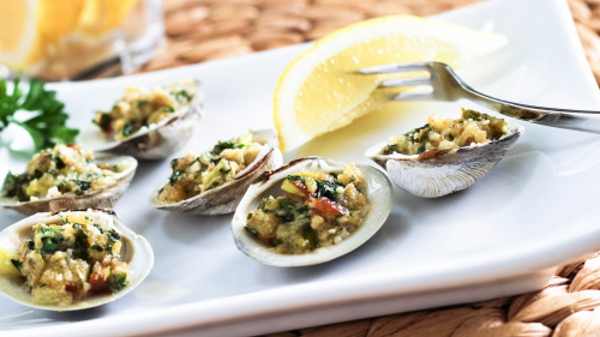
Smaller clams, including littlenecks, are firm but tender with a mild flavor. They can be steamed, broiled, baked, grilled, used in clambakes or other cooked dishes, or on the half-shell. (Be aware of all seafood safety concerns before eating raw shellfish.)

Remember to cook clams only until tender. Overcooking toughens them. Also, watch the amount of salt you add to clam dishes. Many clams taste salty naturally due to the salinity of the water where they grow, and any additional salt may be too much.

  • 2 cups shucked littleneck clams, liquid reserved
  • 4 slices bacon, diced
  • 1/3 cup thinly sliced green onions, including tops
  • 2 cups peeled and diced potatoes
  • ½ cup thinly sliced celery
  • 2/3 cup thinly sliced carrots
  • ½ teaspoon pressed garlic
  • clam liquid plus enough water to make 2 cups
  • 1 teaspoon salt (see note above about salt)
  • ½ teaspoon freshly ground white pepper
  • 1 teaspoon Worcestershire sauce
  • ¼ teaspoon Tabasco sauce
  • 2 cups light cream

In a large, deep pan, cook bacon over medium heat until crisp. Remove bacon and reserve. Add onions, potatoes, celery, carrots, garlic, liquid, salt, pepper, Worcestershire and Tabasco to pan. Bring to boil. Reduce heat, cover and simmer gently until potatoes are tender, about 15 minutes. Add clams and cook until done, about 5 minutes.

Stir in cream. Heat just until steaming. Do not boil. Top with reserved bacon. Serves 6 to 8.

From: Mariner’s Menu: 30 Years of Fresh Seafood Ideas.

Contributed by Joyce Taylor.

Eating Raw and Partially Cooked Seafood

Seafood is Safe to Eat

(Printer-friendly version)

It’s always best to cook seafood thoroughly to minimize the risk of foodborne illness. However, if you choose to eat raw or partially cooked fish and shellfish anyway, there are some things you should know.

One rule of thumb is to consume raw fish only if it has been previously frozen. Some species of fish can contain parasites, and freezing will kill any parasites that may be present. However, be aware that freezing doesn’t kill all harmful microorganisms. That’s why the safest route is to cook your seafood.

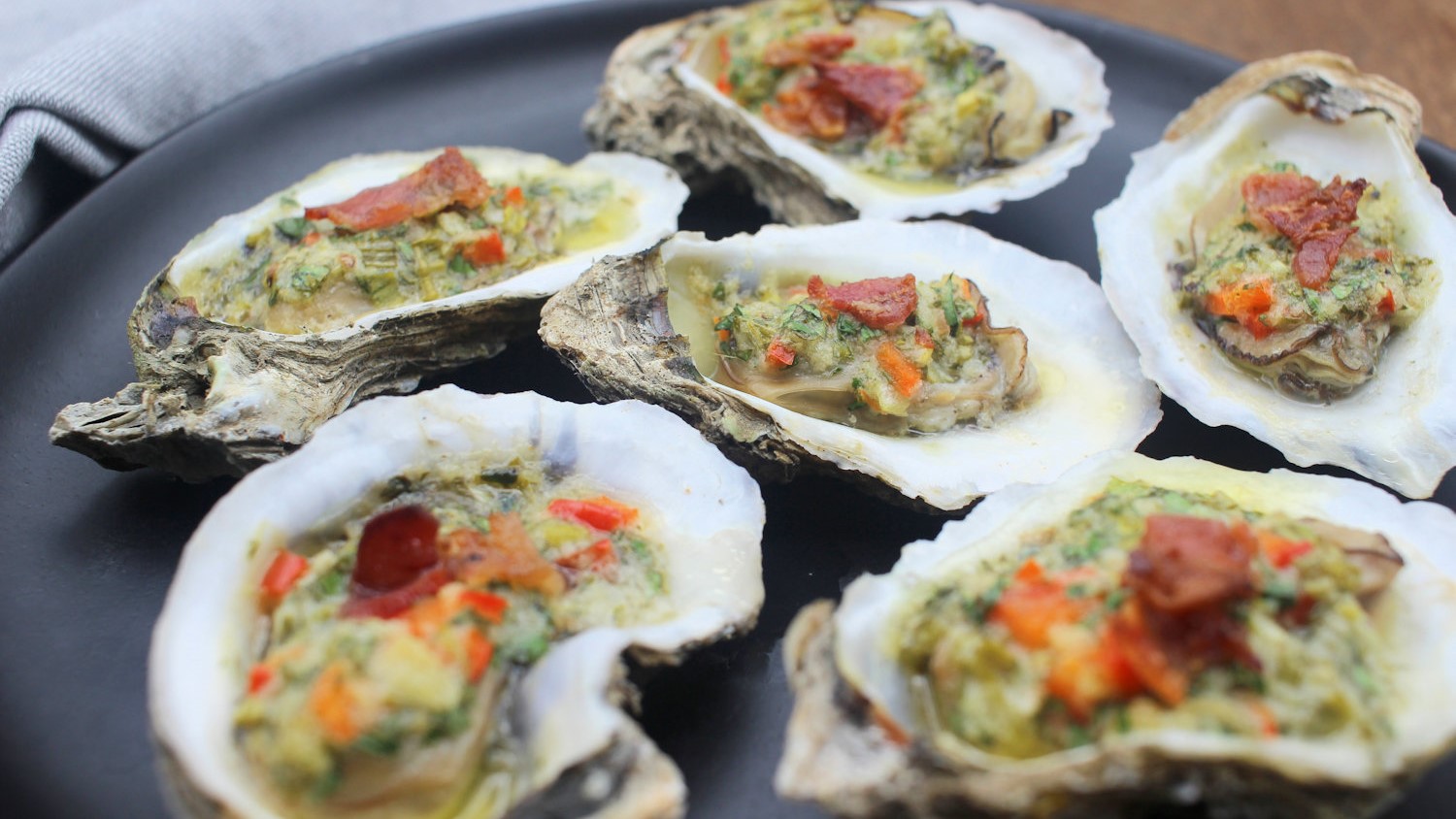
Some oysters are treated for safer consumption after they are harvested, but that information may or may not be on the label. This post-harvest treatment eliminates some naturally occurring pathogens, but it does not remove all pathogens that can cause illness. Treated oysters should still not be eaten raw by high-risk individuals for foodborne illness, those individuals with liver disease, alcoholism, cancer (including leukemia and lymphoma), diabetes, and HIV.

The best way to minimize foodborne illness with any raw food is to cook it thoroughly. This way, you gain the nutritional and health benefits while reducing the risk of illness!

For more information on how to safely eat raw seafood, visit FDA or safe oysters.

Contributed by David Green