Monthly Archives: July 2010

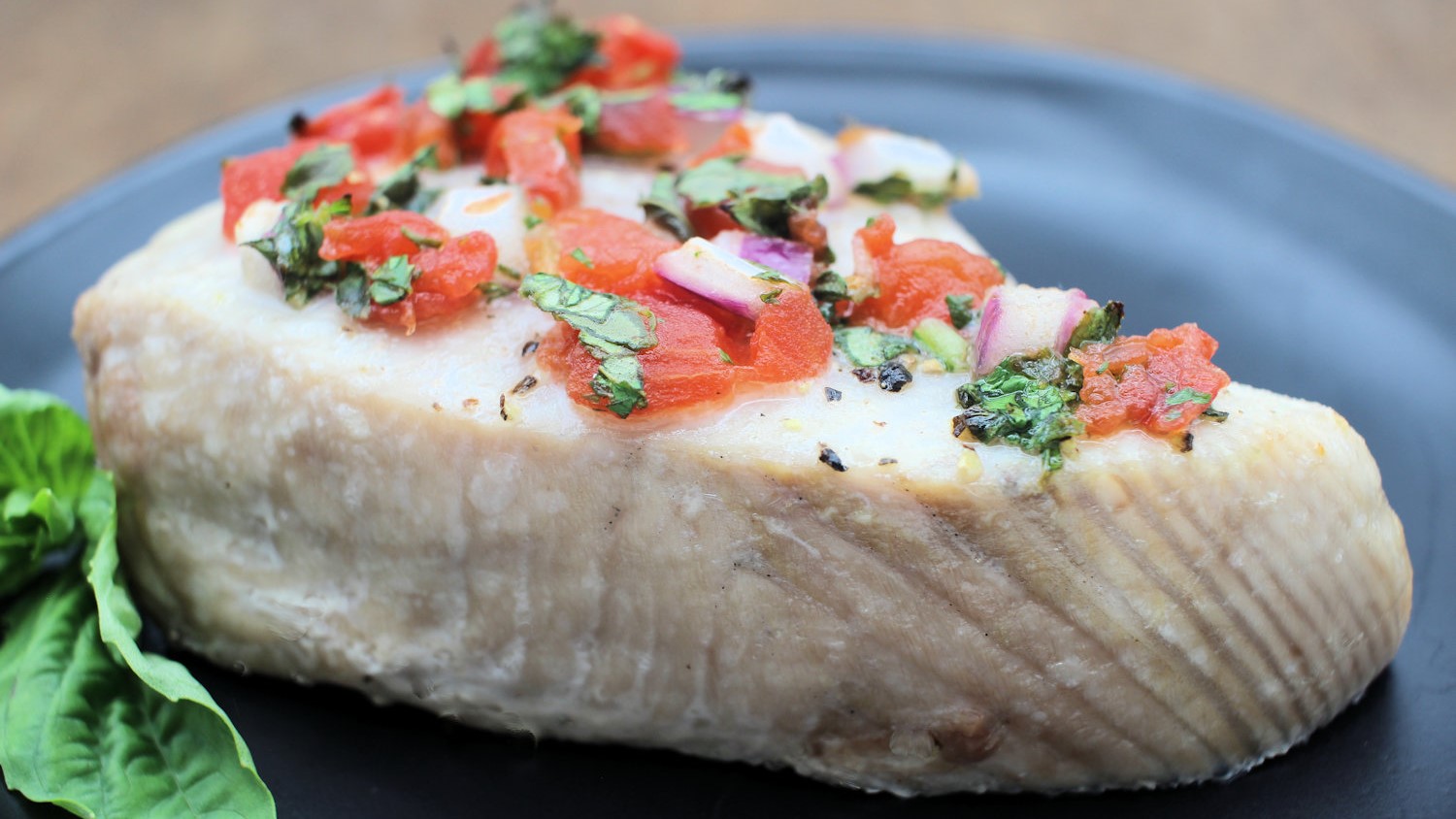
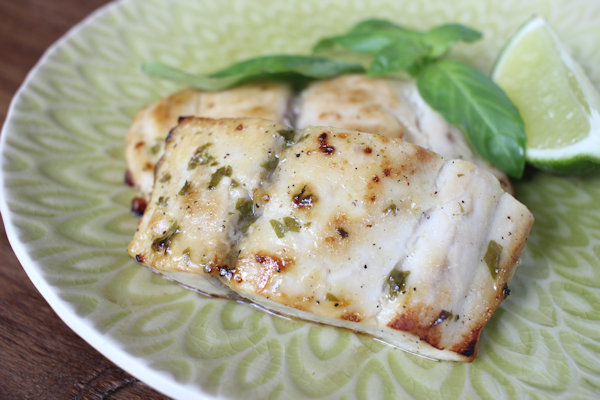
Broiled Lionfish with Garlic-Basil Butter

Another Fresh Seafood Idea

Lionfish is a tropical fish noted for its long, venomous spines. This native Pacific fish, now present in the Caribbean and the Atlantic, has long been eaten as a delicacy in the Indio-Pacific.

Lionfish is fast becoming a hot food item. This “new Bahamian culinary craze” is now on some menus in Nassau. And a fishermen’s cooperative in Jamaica, along with NEPA, community leaders, local businesses, government and the Peace Corps, is teaching the utilization of lionfish as a way to control its impact on native fishes.

The flavor of lionfish is often compared to grouper, hogfish (tropical, not our “local”), or snapper. The species from our local waters were small and flaked like small snapper. The meat is delicate, moist, mild-flavored and delicious.

We tried them fried, broiled and baked. They can also be steamed, grilled and used in soups.

  • 6 small lionfish fillets
  • 2 tablespoons margarine or butter, melted
  • salt
  • freshly ground black pepper

Prepare Garlic-Basil Butter and set aside.

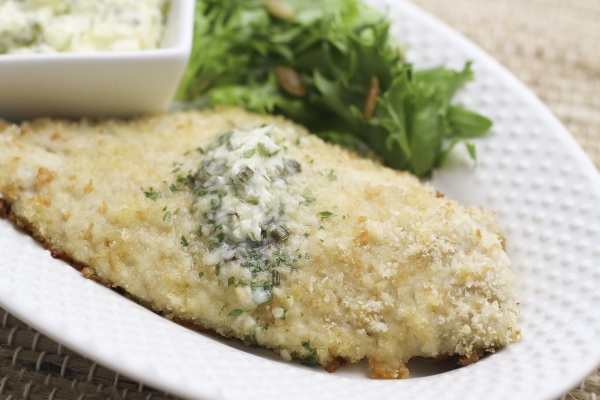
Place fillets on lightly greased broiler pan. Brush with melted margarine. Sprinkle lightly with salt and pepper. Broil about 4 inches from heat until fish flakes easily with a fork, about 4 to 5 minutes. Serve with Garlic-Basil Butter. Serves 6.

Garlic-Basil Butter:

  • ½ cup margarine or butter, softened
  • 1 teaspoon pressed garlic
  • 1 teaspoon finely chopped fresh basil
  • 1 teaspoon fresh lemon juice
  • 1/8 teaspoon salt

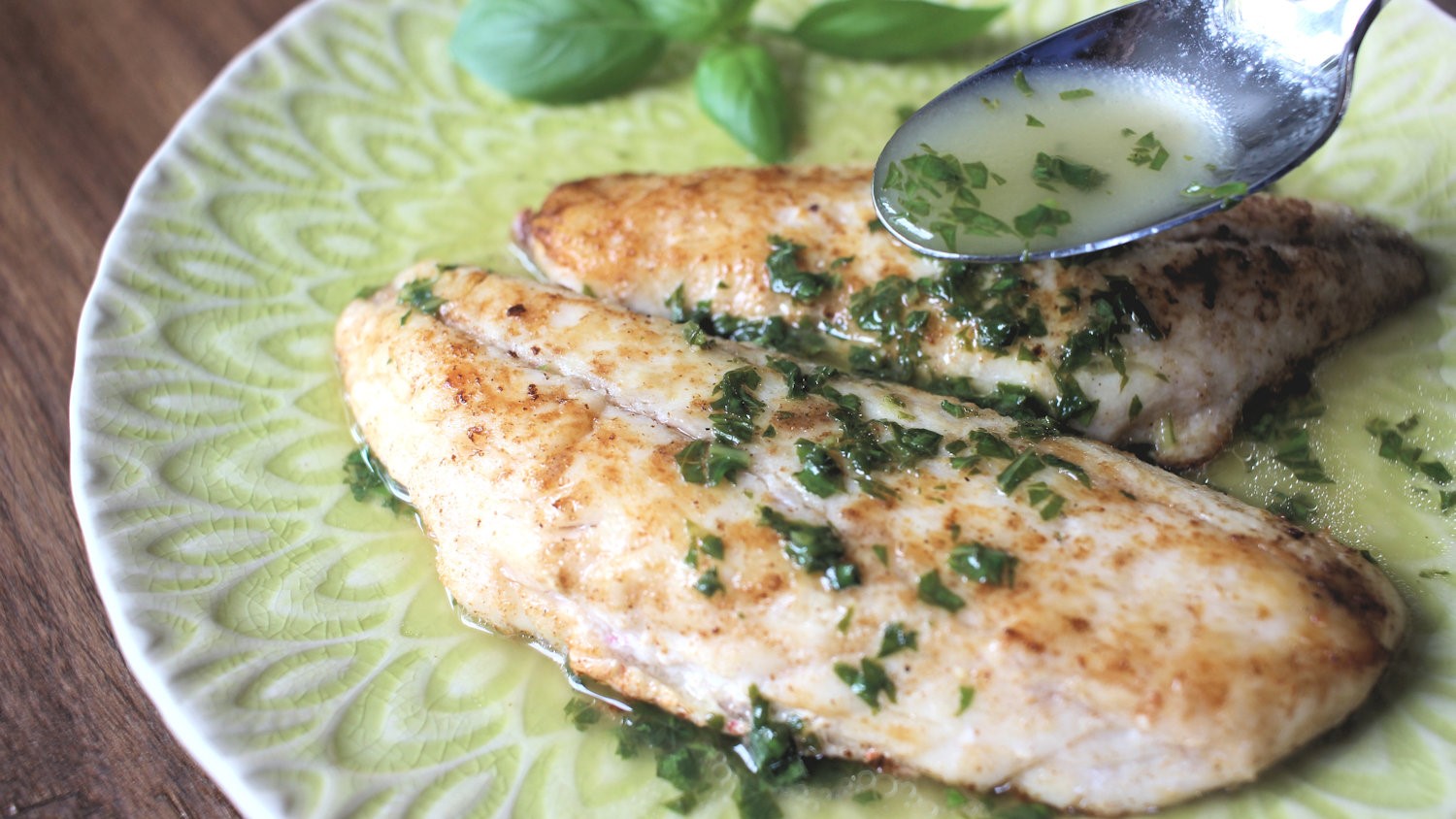
In small bowl, combine margarine, garlic, basil, lemon juice and salt. Allow to stand for 1 hour for flavors to develop. Spread over warm fillets.

Contributed by Joyce Taylor

Invasive Lionfish

North Carolina Fisheries

In less than a decade, the Indo-Pacific lionfish (Pterois volitans) has become widely established along the Southeast U.S. and Caribbean. Lionfish are presently invading the Gulf of Mexico and South America. Recent estimates of lionfish densities indicate that lionfish have surpassed some native species with the highest estimates reporting over 1,000 lionfish per acre in some locations.

Lionfish are capable of permanently impacting native reef fish communities. Lionfish occupy the same habitat as economically important species (e.g., snapper and grouper) and may hamper stock rebuilding efforts and coral reef conservation measures.

The Center for Coastal Fisheries and Habitat Research (CCFHR) first documented the establishment of Indo-Pacific lionfish in the Atlantic and is leading NOAA’s efforts to study the lionfish invasion. NOAA is accomplishing its research missions on lionfish through strong collaborations with the Reef Environmental and Education Foundation and the United States Geological Survey.

While some biologists advocate an “Eat Lionfish” campaign, the commercial harvest and distribution of this species is not yet established. So if you are lucky enough to participate in a taste test of lionfish fillets, enjoy them. Local supply is limited to recreational fishers.

Dr. James Morris of the CCFHR in Beaufort, NC is a lead researcher on the lionfish invasion. For a summary of NOAA’s research on lionfish biology, ecology, and impacts go to NOAA Fisheries.

Contributed by David Green