Monthly Archives: August 2010

Simply Grilled Wahoo

Another Fresh Seafood Idea

Wahoo fish is called ONO in Hawaii. ONO means “delicious.” And its delicate, white flesh is just that—delicious.

Grilling seems to be everyone’s favorite cooking method for wahoo.

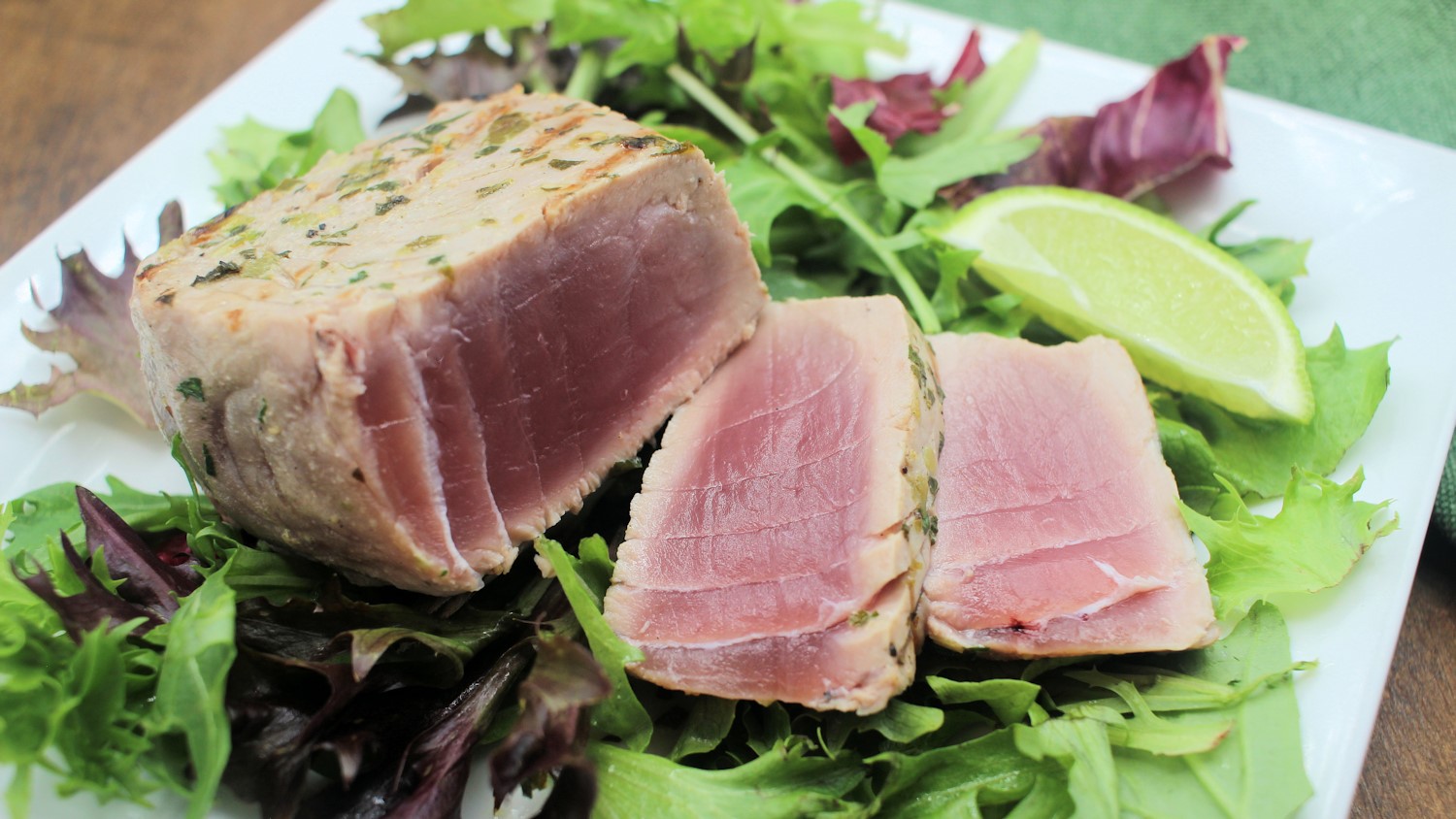
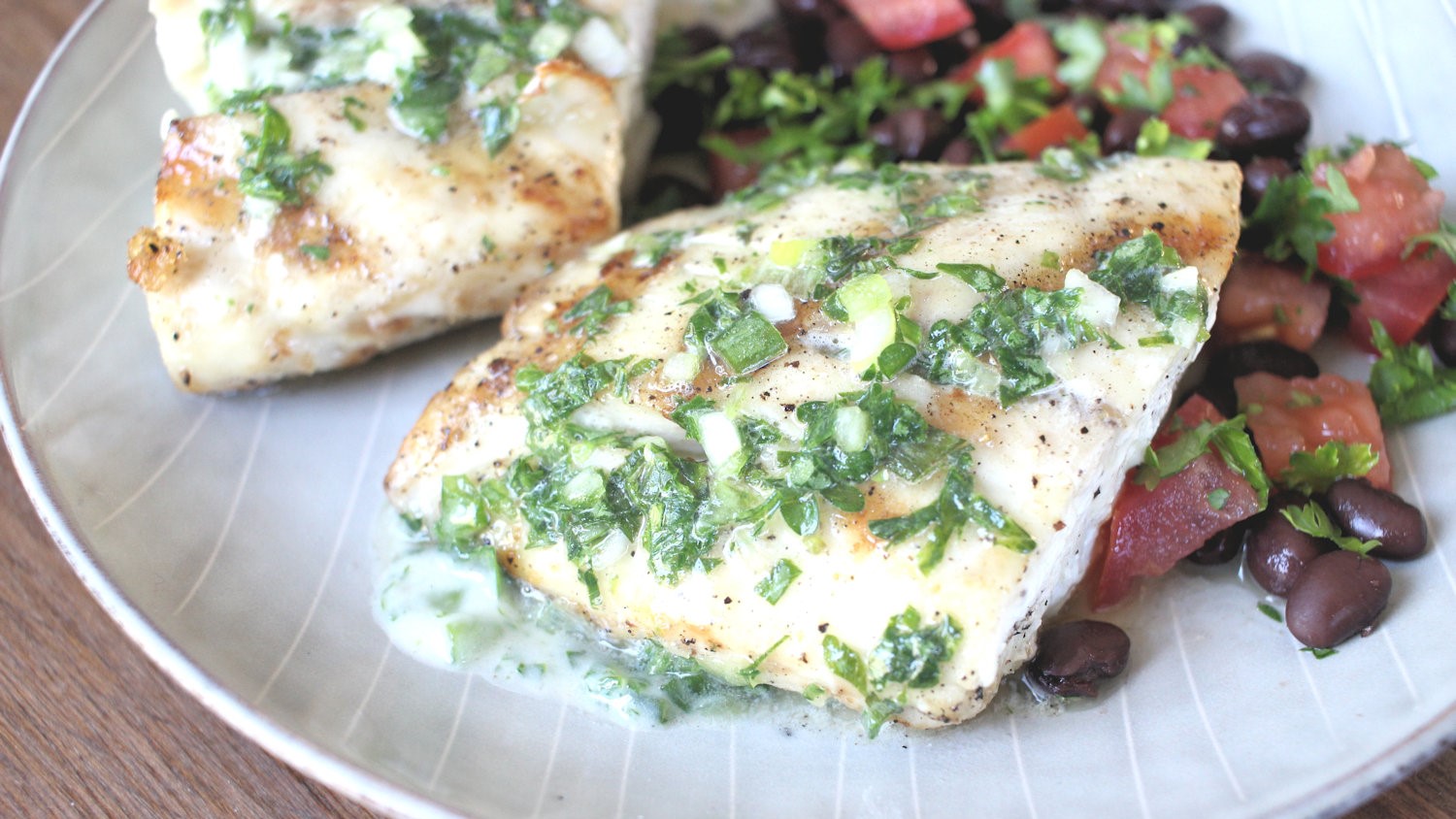
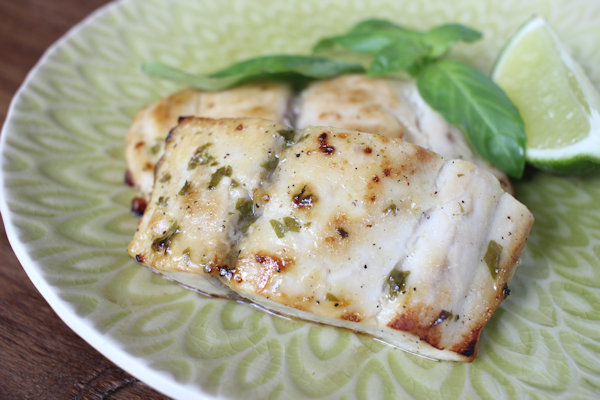
Last week, with Barry at the charcoal grill, we cooked some wahoo. Simply prepared, with a touch of fresh lime and some smoked paprika, it scored a perfect “5’ on our rating scale of 1 – 5.

  • 1 ½ pounds wahoo steaks
  • 3 tablespoons butter, melted
  • 2 tablespoons fresh lime juice
  • 1 teaspoon lime zest
  • ½ tablespoon smoked paprika (Pimentón)
  • ½ teaspoon salt
  • ¼ teaspoon freshly ground black pepper

In small bowl, combine butter, lime juice, zest, smoked paprika, salt and pepper.

Place fish in baking dish. Cover both sides with marinade. Cover and refrigerate 20 minutes.

Place fish in well-oiled hinged wire grill. Cook about 4 inches from heat until done on one side, about 4 to 5 minutes. Turn and repeat on other side.

Contributed by Joyce Taylor

Peppery Taste and Flushing of Skin

SEAFOOD IS SAFE TO EAT         


Histamine fish poisoning accounts for one third of all seafood-borne illnesses reported in the United States.

Histamine is present in various amounts in many foods. Fresh fish at harvest, however, are virtually free of histamine, but post-harvest conditions that allow for the growth of spoilage bacteria can result in histamine formation.

Human illness occurs rapidly after ingestion of fish with elevated histamine levels and lasts from several minutes to a few hours. Symptoms include allergic-like responses such as headache, dizziness, swelling of the tongue, nausea, vomiting, diarrhea and stomach pain. Histamine fish poisoning is usually self-limiting, and recovery is complete. Sensitive individuals may need to seek medical treatment.

Histamine is produced by certain spoilage organisms through action of enzymes which converts the amino acid histidine to histamine. The disease is completely preventable by proper icing of fish at harvest and maintaining iced conditions throughout distribution and storage.

For proper icing methods, read “How to Bring Home Your Fish” or for more information on histamine fish poisoning, go to Sea Grant

Contributed by David Green