Author Archives: David Green

Catfish – A Carolina Classic!

HOW TO SELECT, HANDLE, CLEAN AND STORE SEAFOOD

Catfish products are sold by processors to institutional and retail markets. The majority of catfish products are packaged and delivered fresh (ice packed), individually quick frozen (IQF) or chill packed.

The traditional product form of processed catfish is the whole dressed fish. This is a catfish that has been headed, gutted and skinned (HGS). However, a growing percentage of sales are generated when the dressed fish is further processed into a variety of cuts or forms, including:

  • regular fillets
  • shank fillets (regular fillet with the belly flap or nugget removed)
  • fillet strips
  • nuggets (belly flaps and other fillet trim)
  • steaks

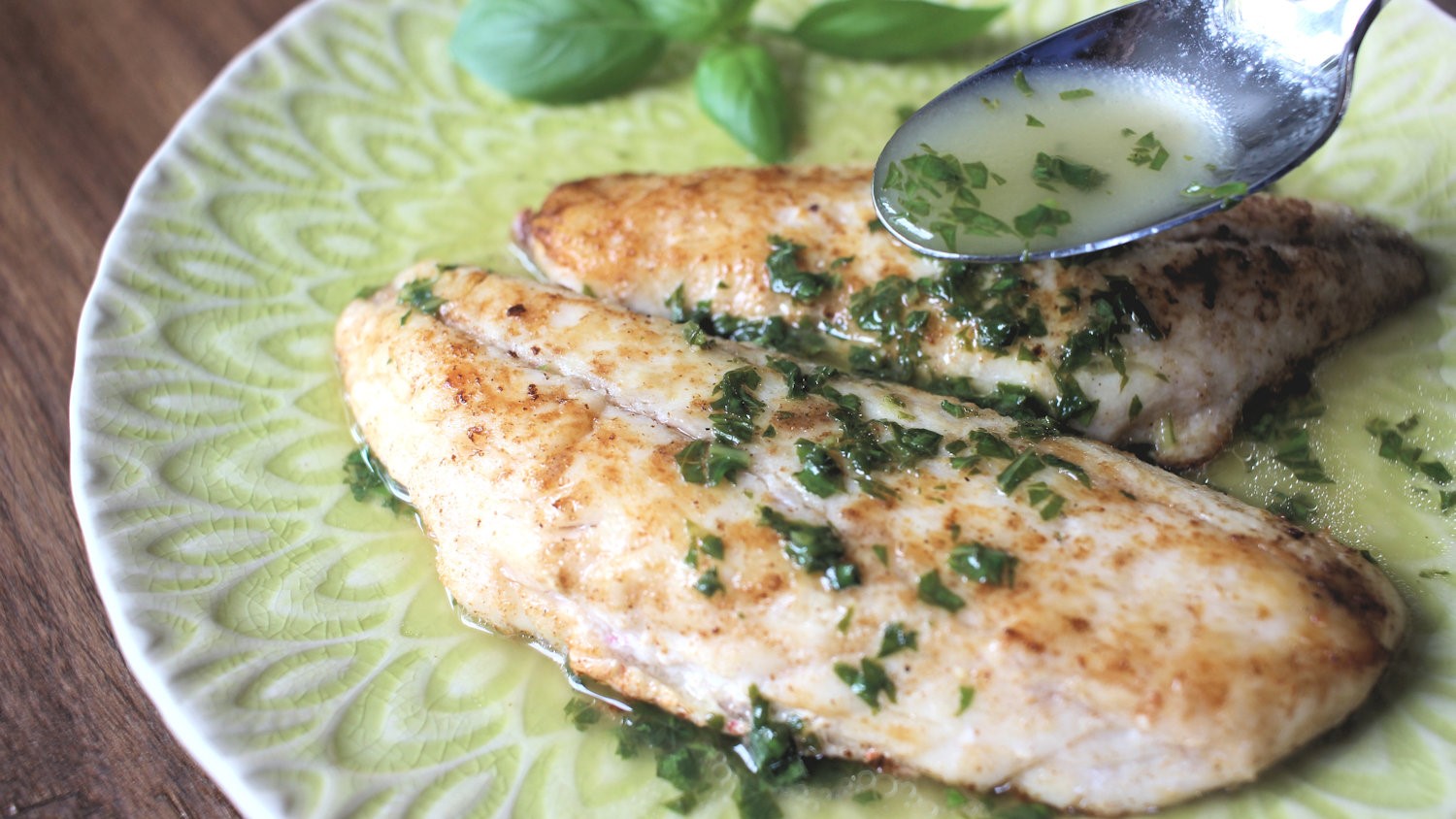
During the latter part of the 1980s, specialty products made their way into the marketplace. Whole dressed catfish and fillets, coated or marinated with flavors and spices such as lemon-butter, Cajun and mesquite, can be found in the seafood section of grocery stores.

For more information, go to Carolina Classics Catfish or the Southern Regional Aquaculture Center.

Contributed by David Green

Carolina Classics Catfish Inc.

SEAFOOD TRADITIONS

Rob Mayo (RM), President of Carolina Classics Catfish, Inc. of Ayden, NC talks with David Green (DG) about the types of products and market opportunities for North Carolina grown catfish.

DG: How long has your company been in the catfish business?

RM: We opened Carolina Classics Catfish in October 1985, 25 years ago.

DG: What type of products do you offer consumers?

RM: We sell fresh and frozen boneless catfish fillets, strips, portions, nuggets and traditional whole dressed fish. We used to sell 40 percent whole dressed fish when we first opened. Today this form makes up only 10 percent of our sales and the boneless forms make up the majority.

DG: What is your most popular product form today?

RM: We sell an “all natural” boneless fillet in Whole Foods Markets nationwide that contains no additives, no farm chemicals, and no land animal proteins in the fish feed. This is as close to organic as you get without a USDA definition for “organic fish.”

DG: What new market opportunities do you foresee for catfish in the future?

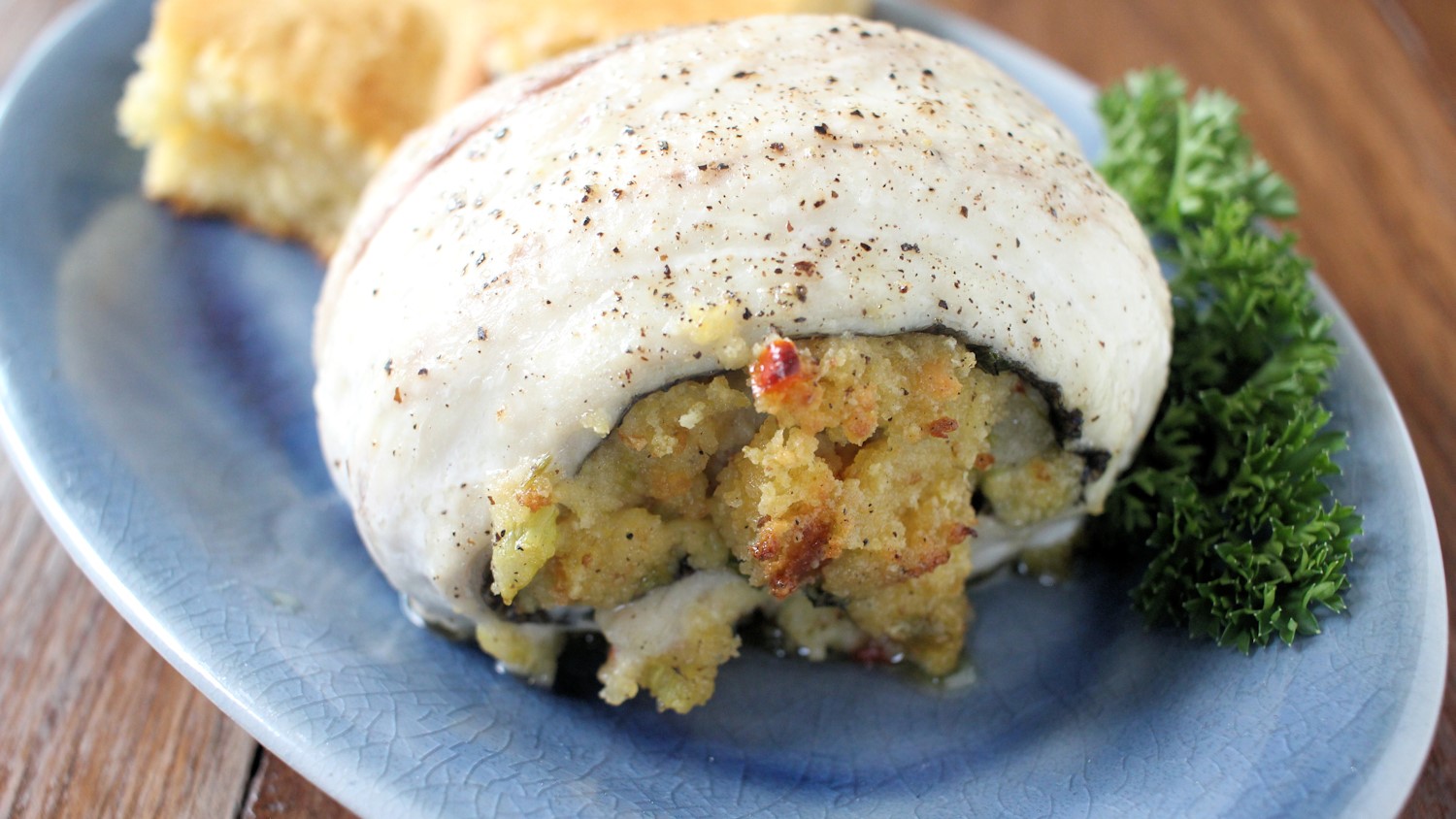
RM: The recent economic situation has shifted industry efforts away from high priced value-added products such as lobster and crabmeat stuffed catfish back to more easy-to-prepare, convenience items that give consumers the good value they look for today.

For more information on Carolina Classics Catfish, go to NC Department of Agriculture & Consumer Services Markets Division.

Contributed by David Green

Peppery Taste and Flushing of Skin

SEAFOOD IS SAFE TO EAT         


Histamine fish poisoning accounts for one third of all seafood-borne illnesses reported in the United States.

Histamine is present in various amounts in many foods. Fresh fish at harvest, however, are virtually free of histamine, but post-harvest conditions that allow for the growth of spoilage bacteria can result in histamine formation.

Human illness occurs rapidly after ingestion of fish with elevated histamine levels and lasts from several minutes to a few hours. Symptoms include allergic-like responses such as headache, dizziness, swelling of the tongue, nausea, vomiting, diarrhea and stomach pain. Histamine fish poisoning is usually self-limiting, and recovery is complete. Sensitive individuals may need to seek medical treatment.

Histamine is produced by certain spoilage organisms through action of enzymes which converts the amino acid histidine to histamine. The disease is completely preventable by proper icing of fish at harvest and maintaining iced conditions throughout distribution and storage.

For proper icing methods, read “How to Bring Home Your Fish” or for more information on histamine fish poisoning, go to Sea Grant

Contributed by David Green

How to Bring Home Your Fish

How to Select, Handle, Clean & Store Seafood

After a successful fishing trip at the coast, you can keep your catch fresh until you get home with this simple technique. First scale, head and eviscerate your fish or fillet them so they are ready to use or freeze when you arrive at home.

Next pack dressed fish or fillets in ice or even better, superchill the catch. To do this you need an insulated cooler with a drain. Before packing the fish, make a salt-ice mixture in a separate container, using about one-half pound of salt for every five pounds of ice.

Line the cooler with 3 to 4 inches of flaked or crushed ice. Layer the fish in the cooler, covering each layer with the salt-ice mixture. Eviscerated fish should be unwrapped and the body cavities filled with ice. Dressed fish or fillets should be wrapped in heavy, clear plastic film.

When the cooler is filled, top the contents with a generous layer of ice and tightly close the lid. Also close the drain plug. Place the cooler in a cool, shady area of your car. Check your fish and ice at the end of each day. Drain off the melted ice at night and add more ice.

After you have tried superchilling, you will be able to do it without mixing the ice and salt. Adding salt to ice lowers the holding temperature below 32 degrees Fahrenheit and extends the fresh quality of fish for several days.

From: Mariner’s Menu: 30 Years of Fresh Seafood Ideas.

Contributed by David Green