Author Archives: David Green

Herbs – Savory

TIPS FROM THE KITCHEN

(Printer-friendly copy)

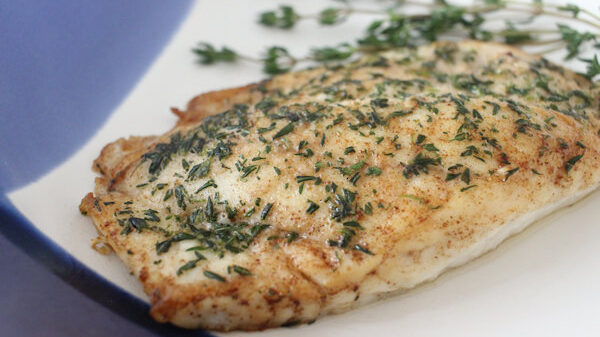
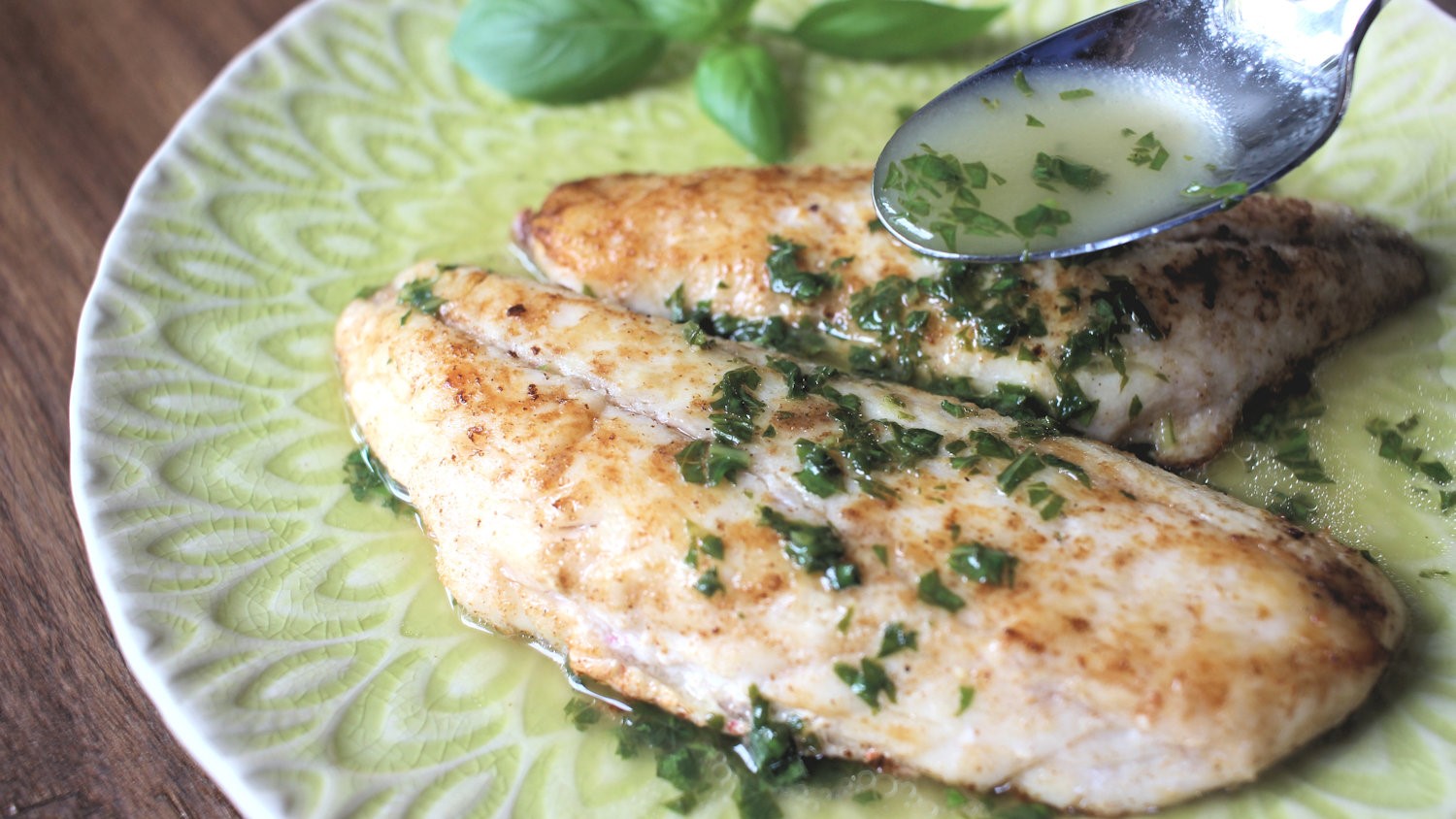
Many herbs and spices are compatible with fish and shellfish, including basil, bay leaves, celery seed, chives, fennel, mustard, parsley, rosemary and savory -  just to name a few. 

Savory is, for one thing, a category applied to foods that are not sweet. It suggests either a spicy or tart flavor. There are a number of foods that have both a sweet and a savory preparation. For example, sweet potatoes, pie crust and soup can all be served sweet or prepared as a savory dish.

Savory is also an herb so bold and peppery in its flavor that since the time of the Saxons it has become synonymous with tasty and flavorful foods, hence savory as a category applied to foods.

Summer savory (Satureja hortensis) is the most delicate of the familiar varieties, both in taste and in character. It is an annual that requires light, rich soil and full sun, conditions that make it ideal for growing indoors. Because the leaves are so tender, they can be added fresh to salads or used as a garnish.

Winter savory (Satureja montana) is a coarser variety. The leaves are bright green, narrow, and tough. They are best used for dishes that require long cooking, such as stews, or added to the water when cooking dried beans so that there is enough heat and moisture to break them down.

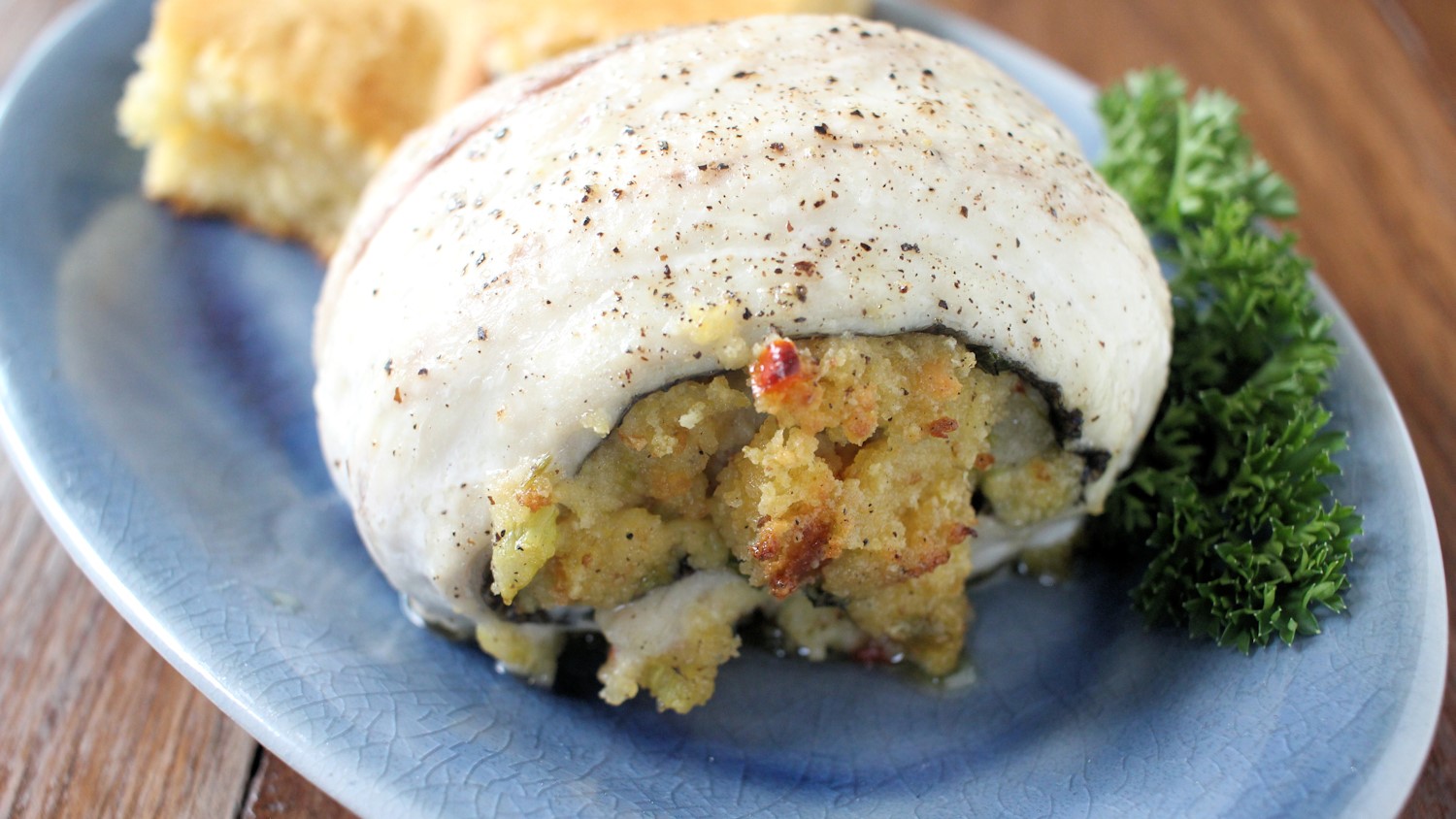
This not only releases the flavorful oils, but also softens the leaves so that they are palatable. Winter savory is often used in stuffing, with vegetables, as a seasoning for fowl and in making sausages. In fact, it is used today in the commercial preparation of salami.

Both of these varieties of savory have a peppery bite to them, although the summer savory is milder. This herb may be used as a seasoning for salt-free diets since the strong flavor makes food more appealing.

Contributed by David Green

Educate, Don’t Frighten Consumers

SEAFOOD IS SAFE TO EAT

(Printer-friendly copy)

Seafood is an important part of a healthy diet because it is a good source of high-quality protein, is generally low in calories and fat, and has Omega-3 fatty acids that have many positive health benefits. The American Heart Association and Dietary Guidelines for Americans 2010 recommend eating at least two servings of seafood each week.

However, some consumers hear negative information about one type or species of seafood such as oysters and avoid seafood all together. In addition, food safety messages for certain “at-risk” groups are frequently misunderstood or followed by consumers who are not at risk.

Therefore, remind consumers that eating any raw animal food is risky, but cooking and effective post-cooking handling reduces the risk of foodborne illness.

Prevention

How to reduce the risk of bacterial infection by Vibrio vulnificus is important for everyone. However, some helpful ideas for educating consumers are:

  • Consumers with weakened immunity such as diabetics, dialysis patients and individuals with liver disease, cancer or AIDS are advised to eat only thoroughly cooked seafood and avoid consuming raw seafood, especially oysters.
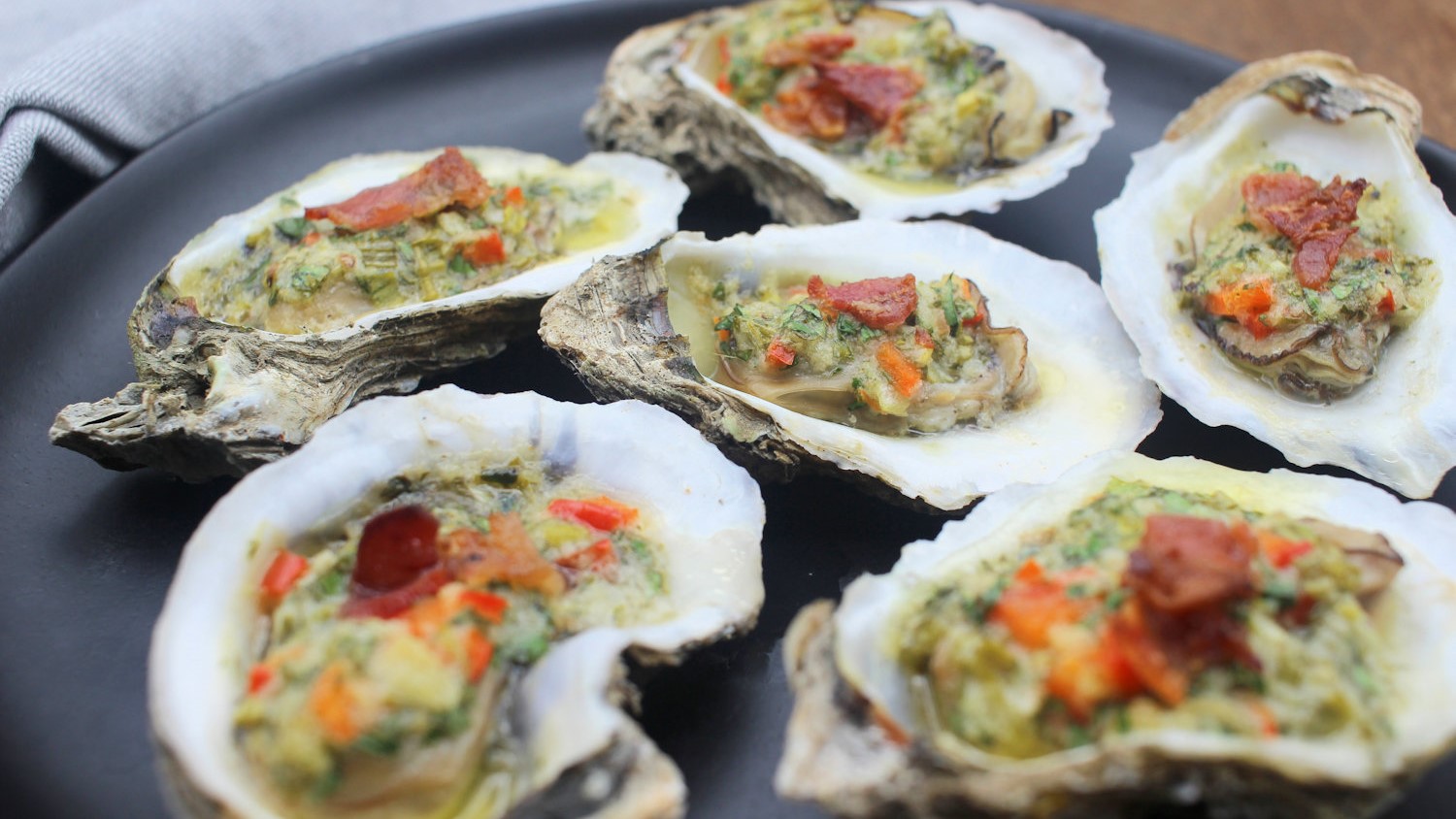
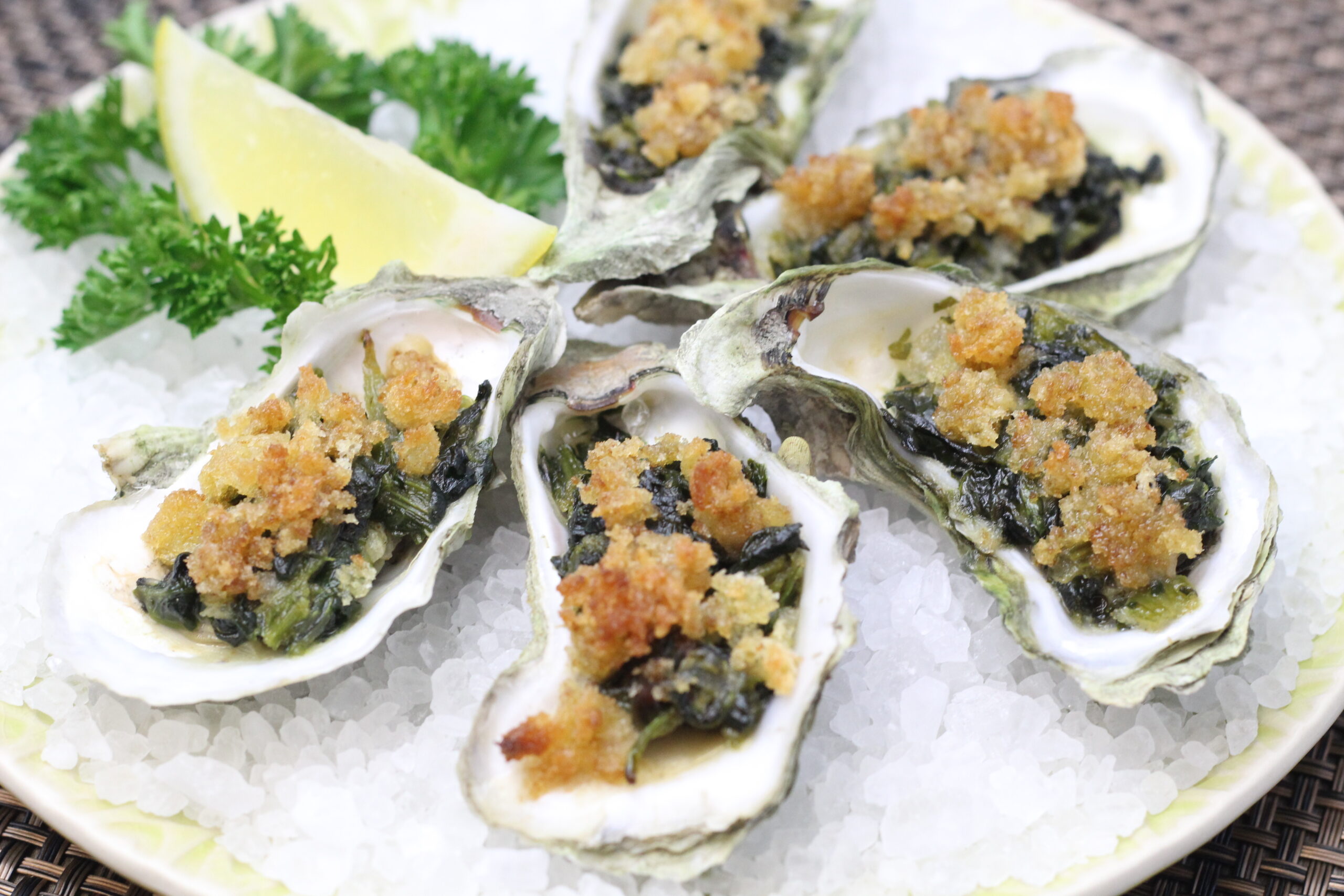
  • Stress that thorough cooking kills harmful bacteria and viruses in seafood, meat and poultry. Demonstrate the proper cooking of shellfish and/or provide cooked oyster recipes.
  • Obtain free consumer brochures from the Interstate Shellfish Sanitation Conference, or ask your physician or other health care professionals to provide free ISSC Vibrio vulnificus Fact Sheets.

Remember, thorough cooking of oysters will destroy the potentially harmful Vibrio bacteria!

Source: This information was provided by SafeOysters.org

Contributed by David Green