Tips from the Kitchen
The two biggest problems in seafood cooking are lack of freshness and overcooking.
Fish and shellfish cook quickly, and it’s easy to overcook them.
Fish is perfectly cooked just at the point when it turns opaque. Insert a fork or
the tip of a sharp knife at its thickest point and gently push the flesh aside, or flake it.
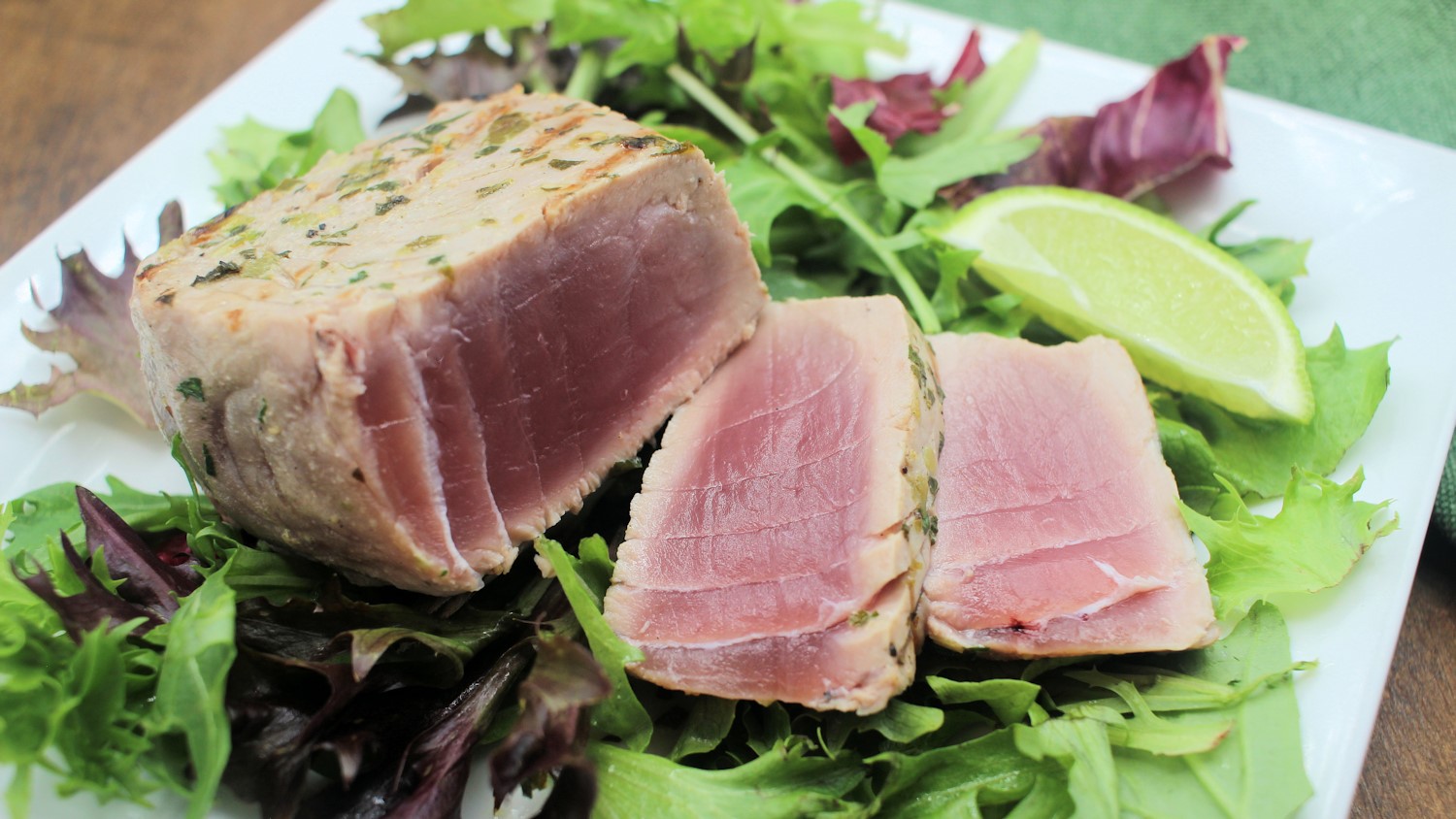
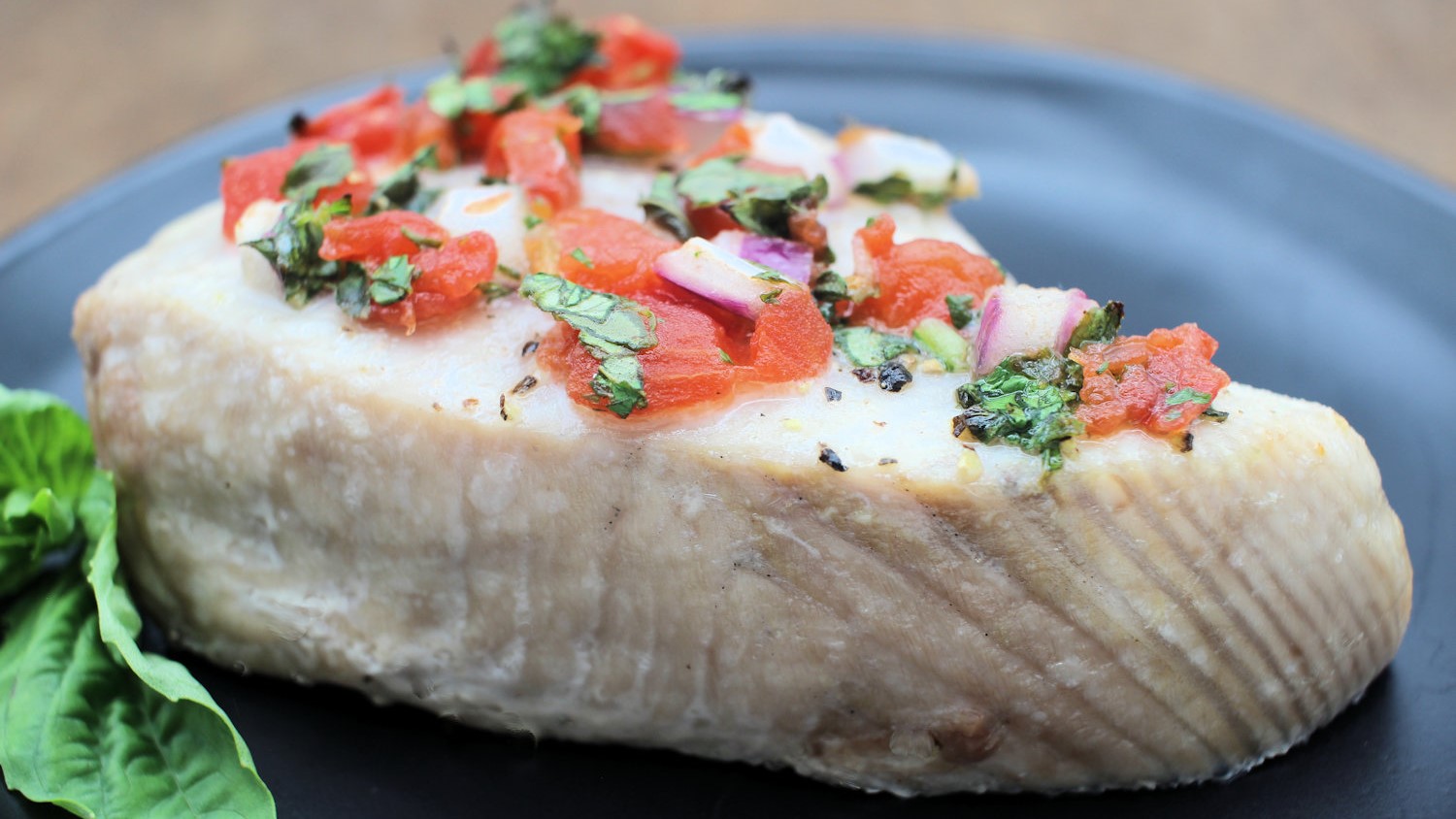
Some fish, such as tuna and shark, do not flake. Cut into the center of these to check for doneness.
Recipes give you a cooking time, such as “about 8 to 10 minutes.” You should always check before this suggested time. If it isn’t done, you can cook it further, but if you check it at eight minutes and it’s overcooked you can’t remedy the problem.
Another method of judging doneness is to cook fish for about 10 minutes per inch of thickness, measured at the thickest point of the fish. Again, you should check before the time is up.
Fish should reach an internal temperature of 145 F. It usually isn’t practical to use a thermometer, but if it is cooked until opaque and flakes easily it is done.
If you’re cooking fish in a sauce or wrapped in foil, add five minutes to the total cooking time. Double the cooking time when cooking frozen fish.
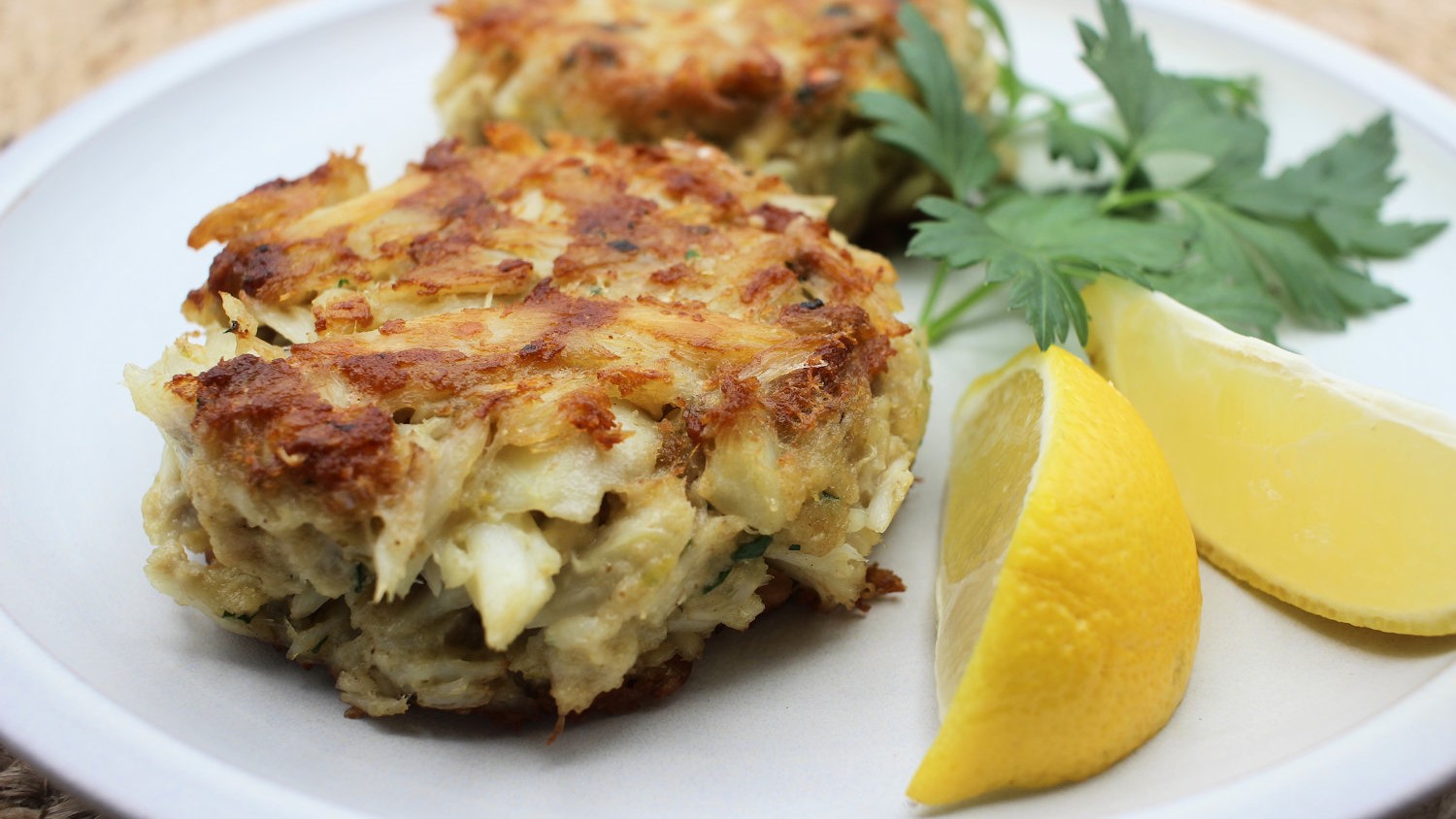
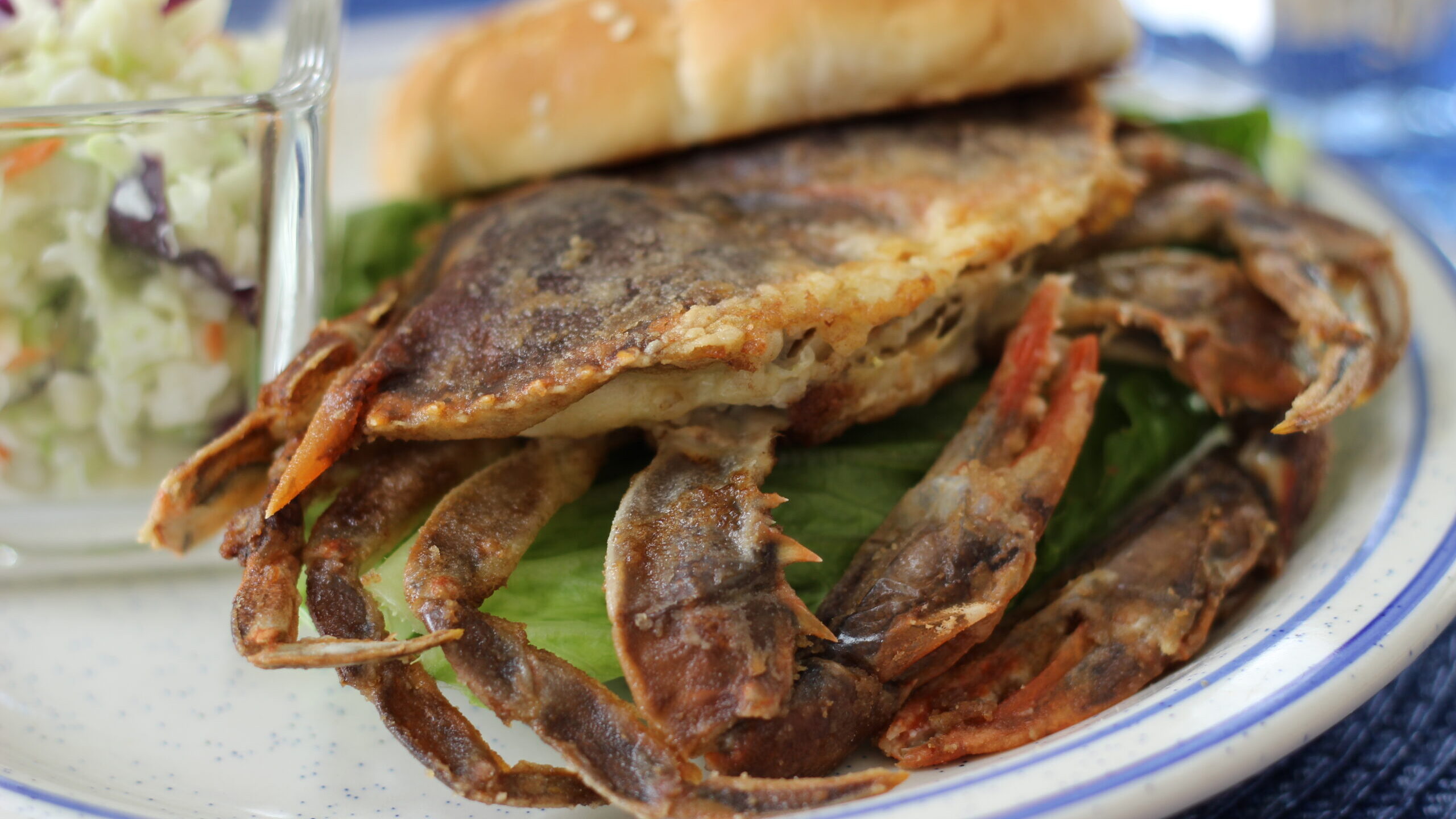
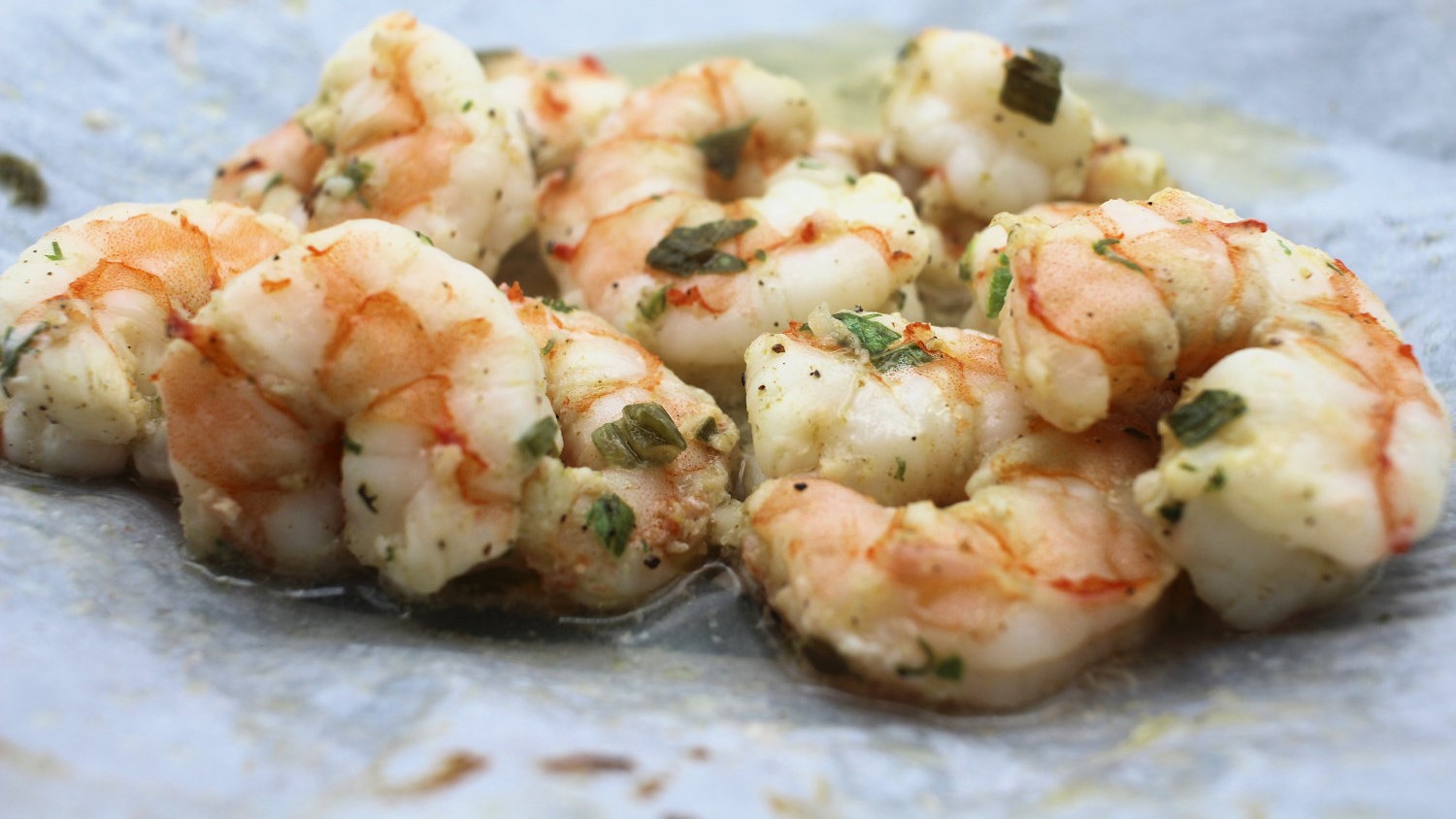
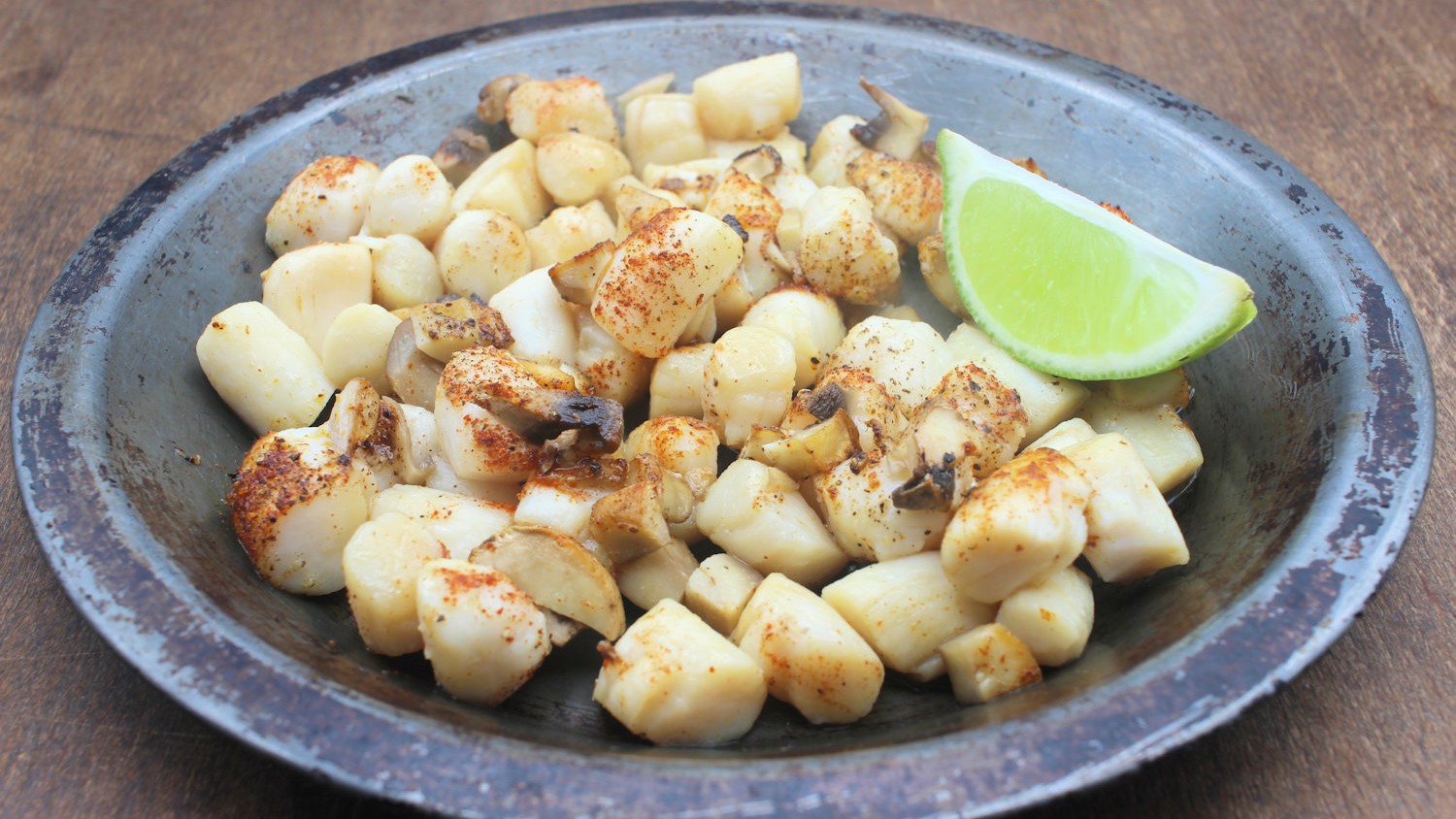
Shrimp, scallops, crabs and lobsters turn opaque when done. Cut into the center to test.
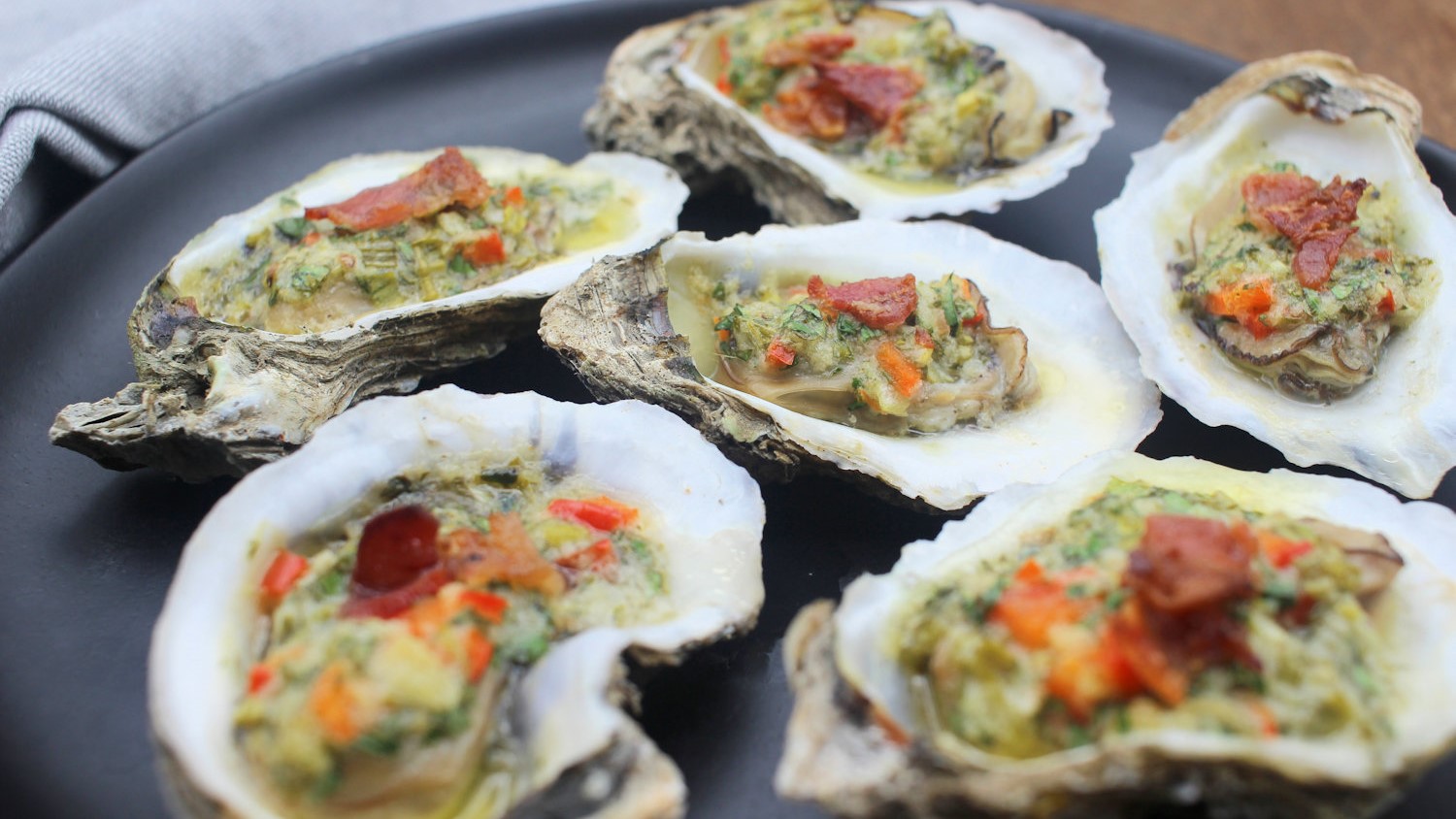
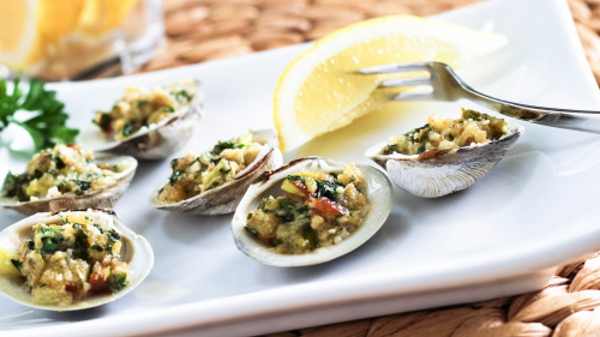
Cook live clams, oysters and mussels until the shells are opened and the flesh is fully cooked. Before you eat them raw or partially cooked, be sure to read up on seafood safety.
From: Mariner’s Menu: 30 Years of Fresh Seafood Ideas
Contributed by Joyce Taylor