Category Archives: How to Select, Handle, Clean and Store Seafood

Heading, Peeling and Deveining Shrimp

HOW TO SELECT, HANDLE, CLEAN AND STORE SEAFOOD

(printer-friendly version)

Removing shrimp head – Hold a shrimp in one hand. With your thumb behind its head, push the head off. Be sure to push just the head so that you do not lose any meat.

Removing shell and deveining, Method 1 - If using deveiner, insert it at the head end just above the vein.

Push through to the tail and remove the shell. This removes the vein at the same time. Rinse shrimp well under cold running water.

Removing shell and deveining, Method 2 - If you prefer to use a paring knife,
shell shrimp with your fingers or knife. To remove the vein, use the knife. rinse well under cold, running water.

Adapted from Mariner’s Menu: 30 Years of Fresh Seafood Ideas

Contributed by Joyce Taylor

North Carolina Oysters in Demand

How to select, handle, clean and store seafood

(Printer-friendly version)

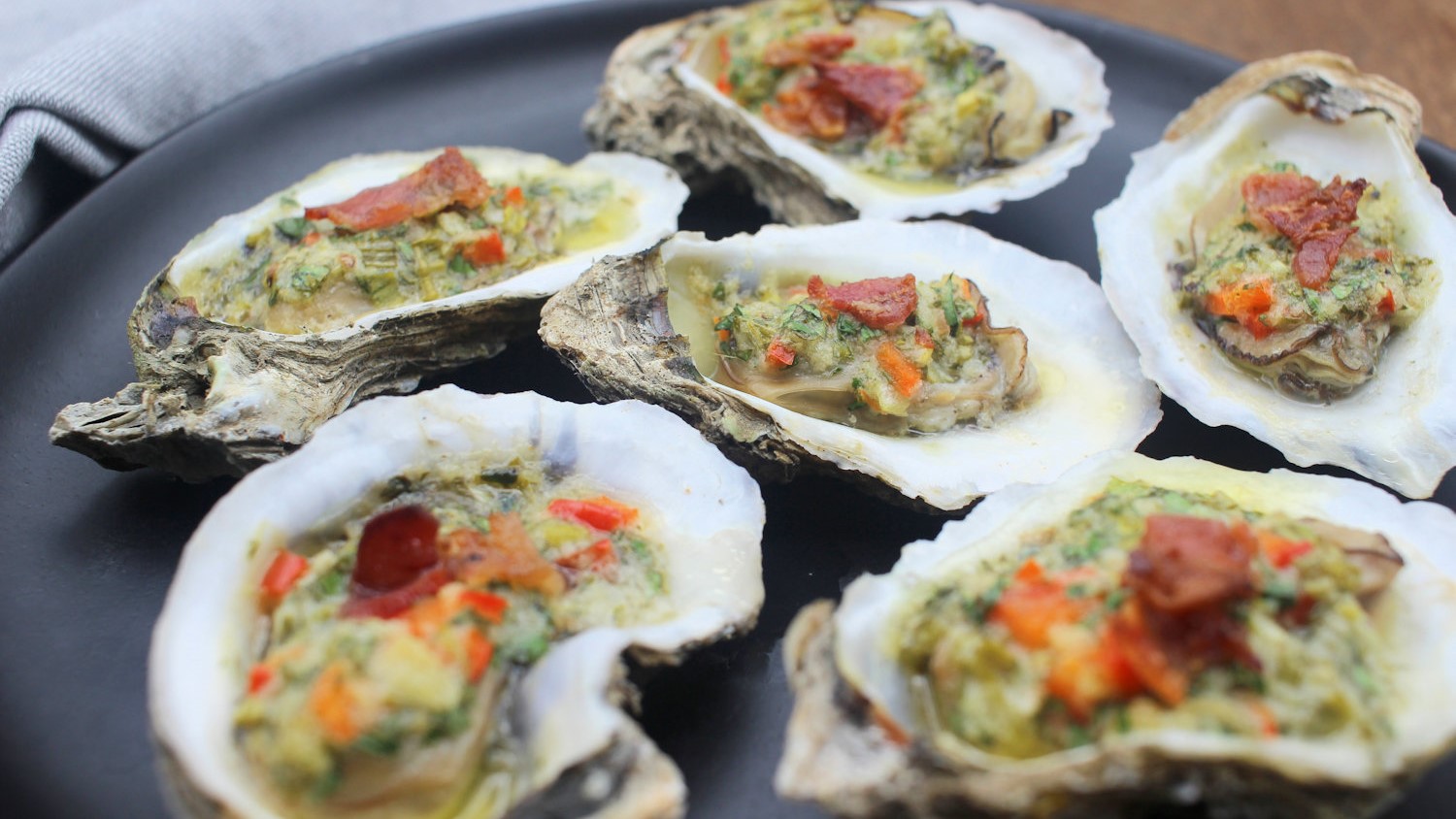
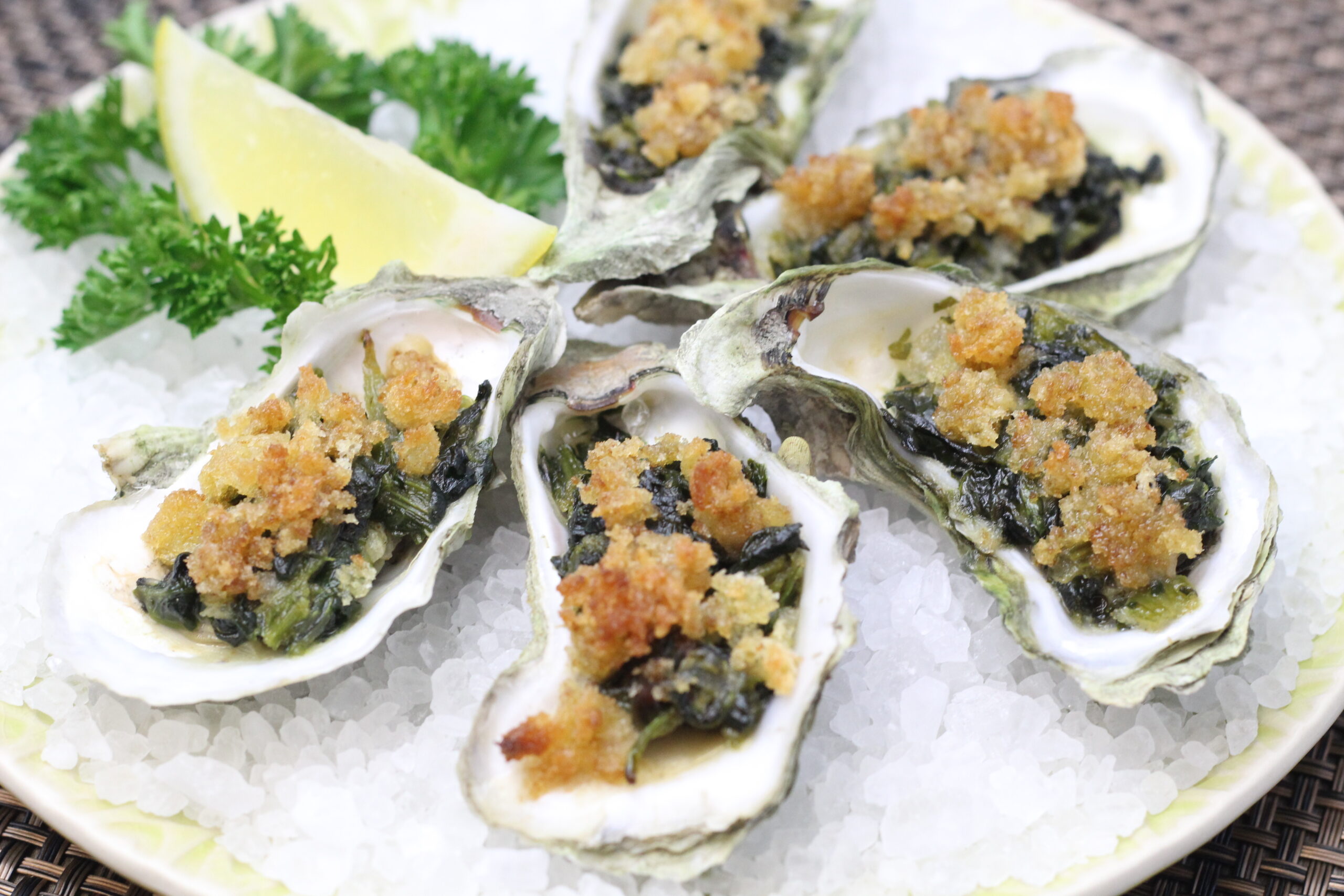
Oysters harvested in southeastern waters are known as the American oyster (Crassostrea viginica). This oyster is a bivalve mollusk, most often found in tidal waters of bays and estuaries.

Most southeastern oysters are taken by hand rakes or tongs. The most productive season is fall through the winter. Oyster flavor, color and texture will vary by location and season.

Whether shucked or in-the-shell, oysters are highly perishable and should be eaten and or cooked as soon as possible.

Harvest must be from waters “approved” by state shellfish authorities who routinely test the oysters and water relative to bacterial content and other contaminants. In some instances, oysters may be relayed or moved from non-approved waters to approved waters for a specified period of time prior to final harvest.

Processing must be conducted by a certified dealer in compliance with all state and federal food safety regulations. Fresh and frozen oysters are available in various forms, both in-shell and shucked.

The oyster should appear cream to beige in color, packed in somewhat transparent liquor. The preferred flavor is a mild oyster with a slight salty taste. An excessive opaque or cooked appearance may denote temperature abuse.

For more information on local oysters, visit the NC Division of Marine Fisheries.

Contributed by David Green