Category Archives: Seafood is Health Food

Salmon—An Omega-3 Champ

SEAFOOD IS HEALTH FOOD

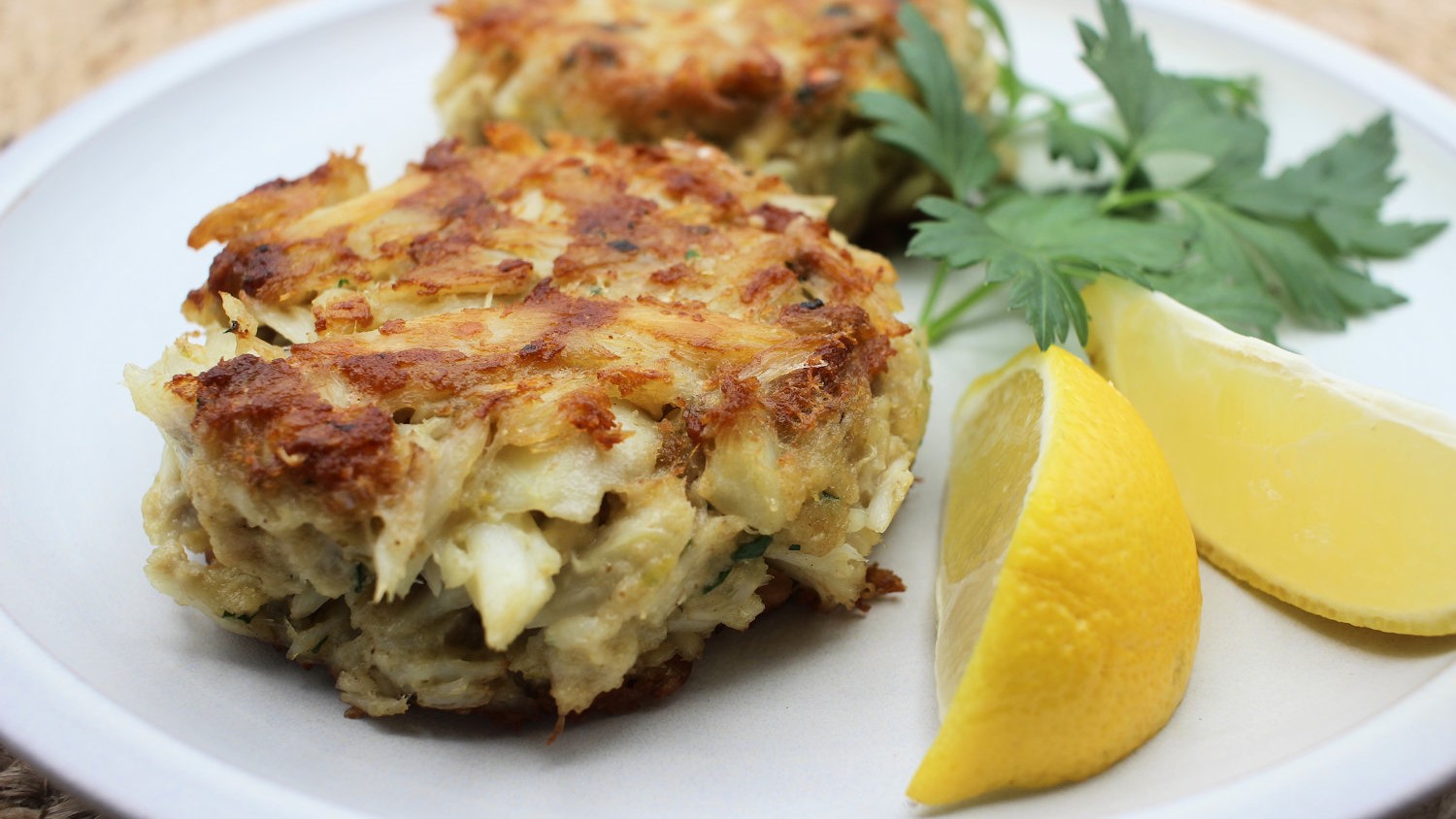
Not too many years ago, most salmon recipes began with “a can of salmon.” And our meal was usually patties or a casserole. 

This has changed. Now fresh salmon is widely available and we have a great variety of recipes. If you’re looking for an easy, simple and elegant entrée for company, try our “Baked Salmon with Sour Cream and Dill” from Mariner’s Menu!

Salmon is delicious poached, steamed, baked, broiled, grilled and planked.

Salmon is an excellent source of omega-3 fatty acids. It is low in fat, cholesterol and calories.

 As a food, salmon dates back at least to the Old Stone Age, 25,000 B.C. In the Middle Ages, it was served to the sounding of trumpets. In this country, Native Americans and early settlers dined on it. And now we have rediscovered it.

Most recipe instructions tell you that it’s easier to skin salmon fillets after cooking. But if you prefer, your seafood market staff will skin them for you. Handling and cooking the skinless fillets makes preparation and serving much simpler.

Before cooking, use needlenose pliers to remove the line of bones that go down into the fillet along the center. Feel along the fillet with your fingers to locate these bones.

 While we generally concentrate on North Carolina species, we’re also featuring salmon due to its availability, popularity and food value.

Adapted from: Mariner’s Menu: 30 Years of Fresh Seafood Ideas

Contributed by Joyce Taylor

Dietary Guidelines for Americans Published

SEAFOOD IS HEALTH FOOD

The USDA Center for Nutrition Policy and Promotion final report of the Dietary Guidelines Advisory Committee was published June 15.  The report calls for increased seafood intake and addresses the pregnancy/breastfeeding recommendation issue.

Moderate evidence shows consumption of two servings of seafood per week (4 oz per serving), which provide an average of 250 mg per day of long-chain n-3 fatty acids, is associated with reduced cardiac mortality from CHD or sudden death in persons with and without CVD.

Moderate evidence indicates increased maternal dietary intake of omega-3 fatty acids, in particular docosahexaenoic acid (DHA), from two servings of seafood per week is beneficial. During pregnancy and lactation seafood consumption is associated with increased DHA levels in breast milk and improved infant health, such as better vision and learning development.

Moderate evidence shows health benefits derived from the consumption of a variety of cooked seafood in amounts recommended above outweigh the risks associated with methyl mercury and persistent organic pollutants exposure, even among women who may become or who are pregnant, nursing mothers, and children ages 12 and younger.

Overall, consumers can safely eat at least 12 oz. of a variety of cooked seafood per week. Women who may become or who are pregnant, nursing mothers, and children ages 12 and younger can safely consume a variety of cooked seafood in amounts recommended in this report.

Contributed by David Green