Category Archives: Seafood is Safe to Eat

Peppery Taste and Flushing of Skin

SEAFOOD IS SAFE TO EAT         


Histamine fish poisoning accounts for one third of all seafood-borne illnesses reported in the United States.

Histamine is present in various amounts in many foods. Fresh fish at harvest, however, are virtually free of histamine, but post-harvest conditions that allow for the growth of spoilage bacteria can result in histamine formation.

Human illness occurs rapidly after ingestion of fish with elevated histamine levels and lasts from several minutes to a few hours. Symptoms include allergic-like responses such as headache, dizziness, swelling of the tongue, nausea, vomiting, diarrhea and stomach pain. Histamine fish poisoning is usually self-limiting, and recovery is complete. Sensitive individuals may need to seek medical treatment.

Histamine is produced by certain spoilage organisms through action of enzymes which converts the amino acid histidine to histamine. The disease is completely preventable by proper icing of fish at harvest and maintaining iced conditions throughout distribution and storage.

For proper icing methods, read “How to Bring Home Your Fish” or for more information on histamine fish poisoning, go to Sea Grant

Contributed by David Green

In Like a Lion, Out Like a Fish!

SEAFOOD IS SAFE TO EAT

Earlier this summer, the NC State University Seafood Laboratory and NC Sea Grant, in cooperation with the National Oceanic & Atmospheric Administration’s marine laboratory in Beaufort, NC, conducted a sensory evaluation on lionfish harvested off the North Carolina central coast.

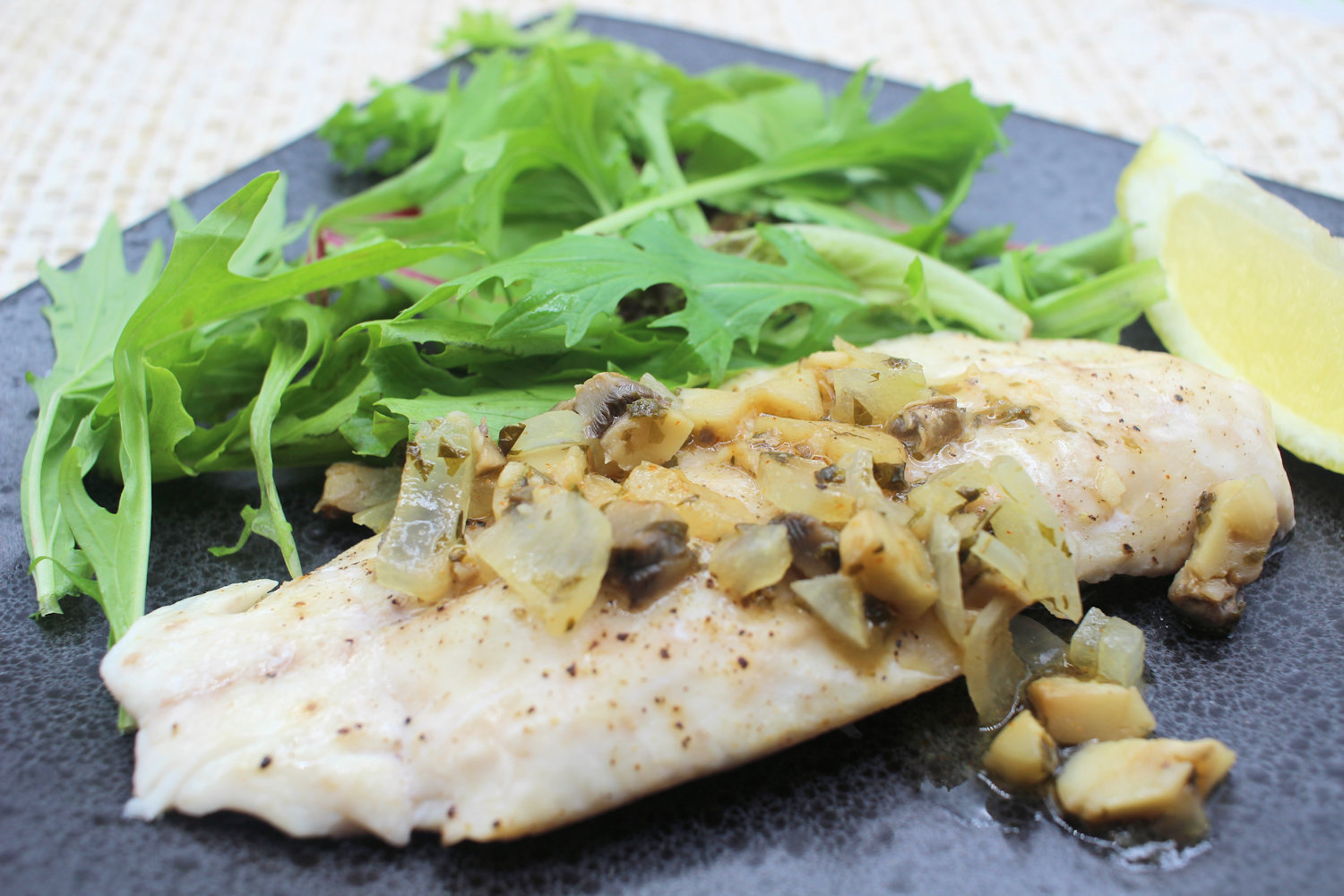
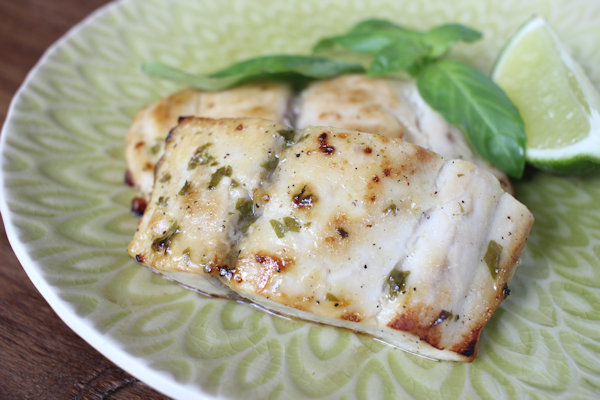
Lionfish and pink snapper (also caught locally) were prepared with the herb seasoning profiled above.

Twenty individuals, who enjoyed eating snapper and grouper and liked the flavor of butter, basil and butter, were selected as sensory panelists. Each was asked to rate and compare the flavor, texture, color and appearance of both fish on a numerical scale of 1 (Terrible) to 7 (Excellent). The scores were statistically analyzed to discern significant differences.

The results showed the color and appearance of the two fish did not differ significantly, but the averaged scores for flavor and texture did significantly differ. Panelists’ comments indicated that half preferred pink snapper because of its firmer texture, and as a result, were inclined to rate its flavor as being slightly better than lionfish. Fifteen percent preferred the lionfish and 35 percent of panelists had no preference. The overall scores of both fish scored in the range of “Good” (5.0 to 5.9) to “Very Good” (6 to 6.9), indicating most of the panelists found both species appealing. This information suggests that lionfish has commercial potential as a food source.

Contributed by Barry Nash

Eating Raw and Partially Cooked Seafood

Seafood is Safe to Eat

(Printer-friendly version)

It’s always best to cook seafood thoroughly to minimize the risk of foodborne illness. However, if you choose to eat raw or partially cooked fish and shellfish anyway, there are some things you should know.

One rule of thumb is to consume raw fish only if it has been previously frozen. Some species of fish can contain parasites, and freezing will kill any parasites that may be present. However, be aware that freezing doesn’t kill all harmful microorganisms. That’s why the safest route is to cook your seafood.

Some oysters are treated for safer consumption after they are harvested, but that information may or may not be on the label. This post-harvest treatment eliminates some naturally occurring pathogens, but it does not remove all pathogens that can cause illness. Treated oysters should still not be eaten raw by high-risk individuals for foodborne illness, those individuals with liver disease, alcoholism, cancer (including leukemia and lymphoma), diabetes, and HIV.

The best way to minimize foodborne illness with any raw food is to cook it thoroughly. This way, you gain the nutritional and health benefits while reducing the risk of illness!

For more information on how to safely eat raw seafood, visit FDA or safe oysters.

Contributed by David Green

I’m confused about mercury contamination; should I skip fish altogether?

Seafood is Safe to Eat

(Printer-friendly version)

Recent studies on the pros and cons of fish consumption clearly show that avoiding fish altogether in your diet is risking your health. Everyone should aim to have two servings per week.

Seafood is a key source of protein and heart healthy omega-3 fatty acids. And including a variety of fish rich in omega-3 fatty acids, such as tuna and salmon, can reduce your risk of death from a heart attack.

If you are pregnant, may become pregnant, or nursing young children, do make sure that you include two servings of fish each week from species that are low in mercury. The U.S. Food and Drug Administration recommends avoiding large, predatory fish such as shark, swordfish, king mackerel and tilefish. Instead pick low mercury species like Alaskan salmon, catfish, freshwater rainbow trout, oysters, shrimp, pollock, sardines, anchovies and canned light tuna.

For more information on what fish can be safely consumed during pregnancy, go to FDA’s suggestions on mercury and seafood.

Contributed by David Green