Another Fresh Seafood Idea
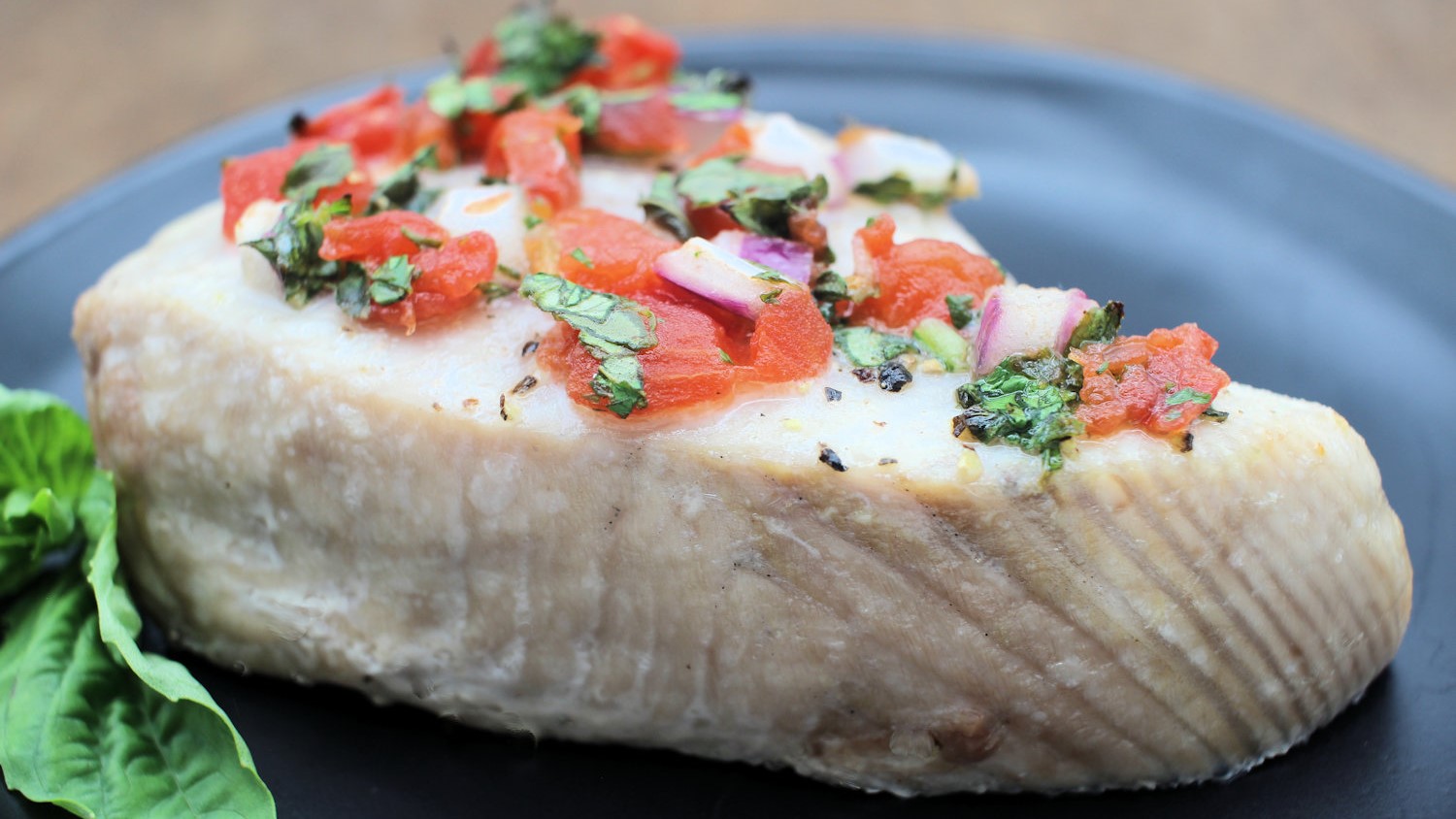
Wahoo fish is called ONO in Hawaii. ONO means “delicious.” And its delicate, white flesh is just that—delicious. 
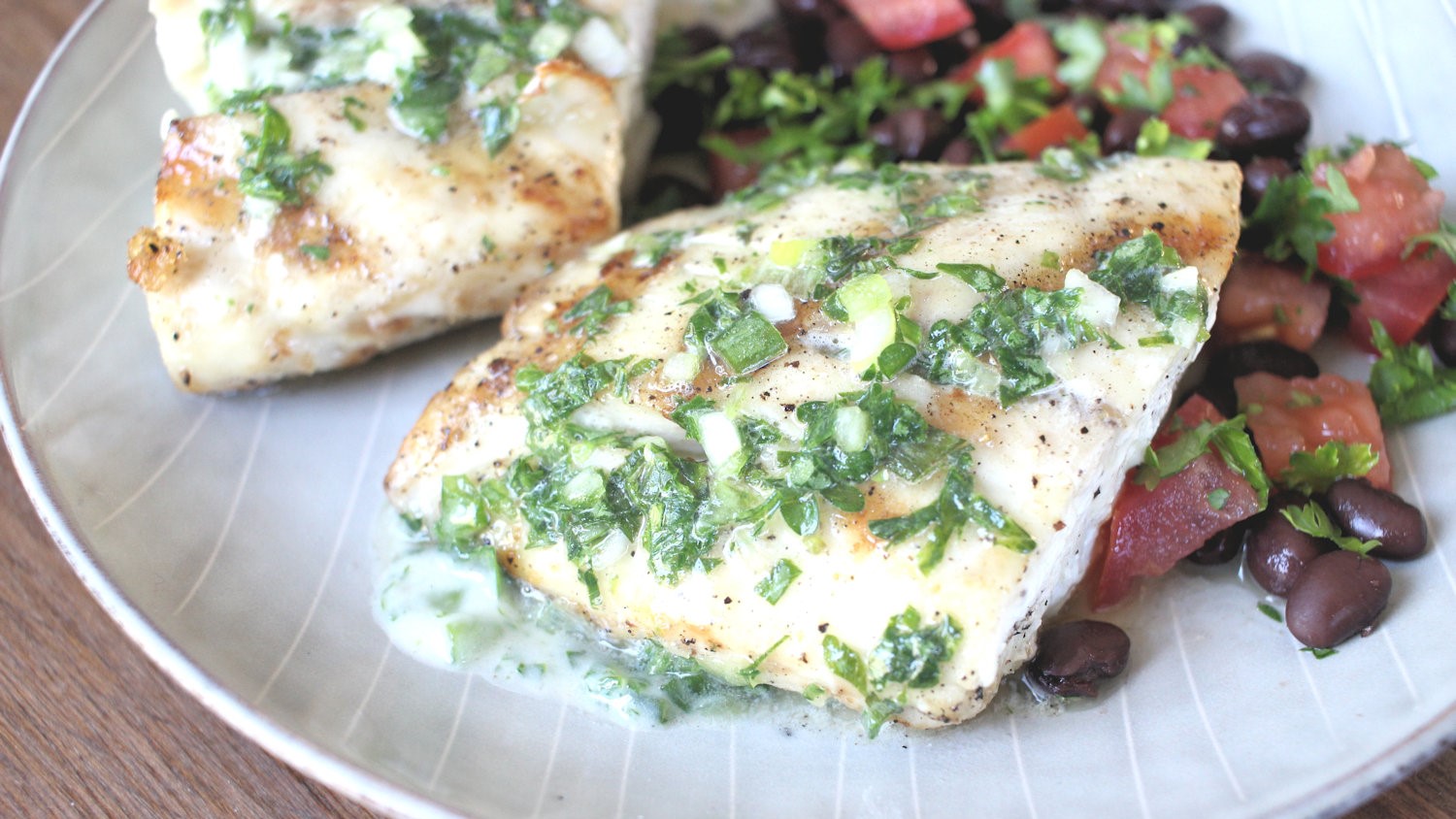
Grilling seems to be everyone’s favorite cooking method for wahoo.
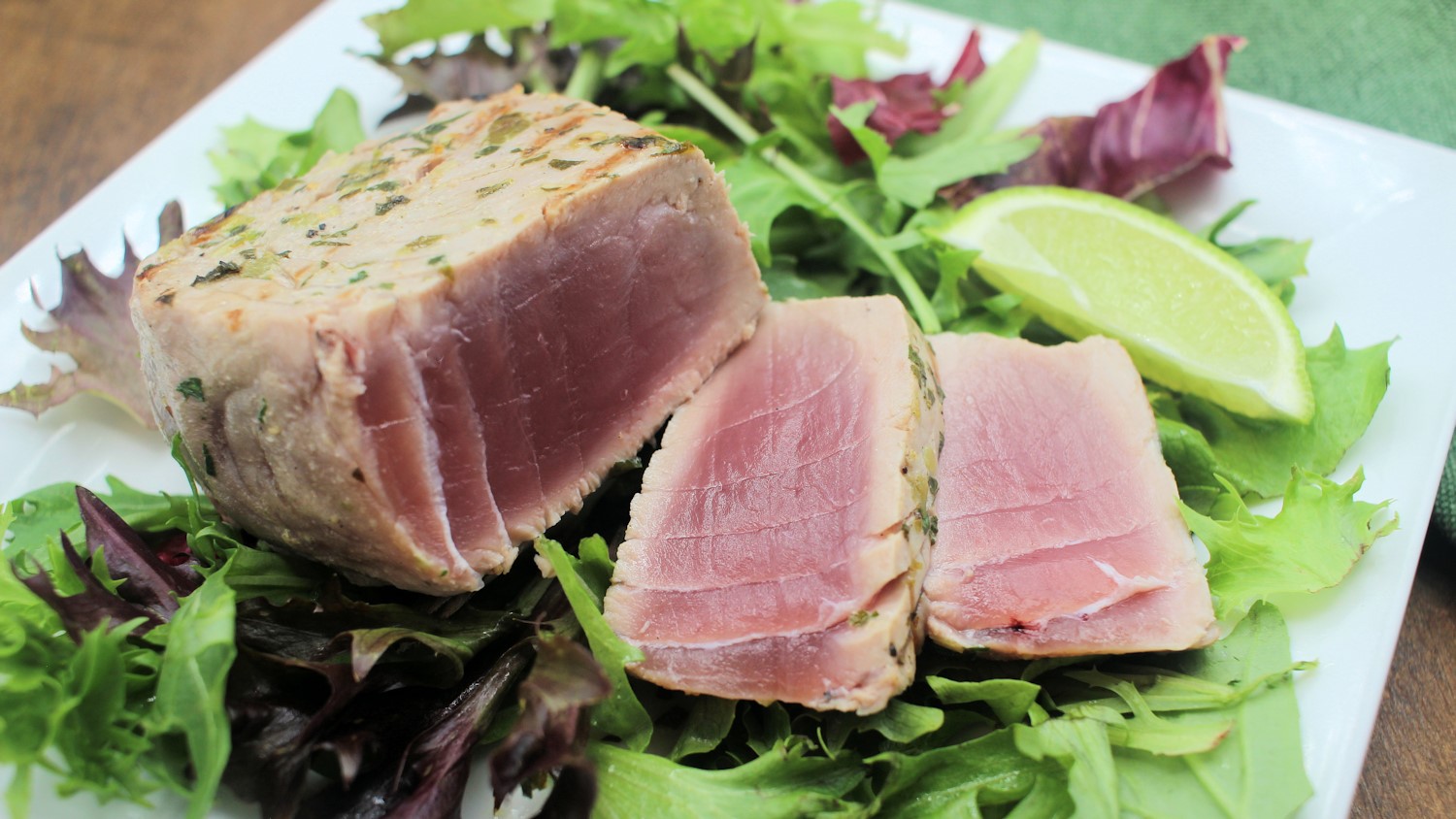
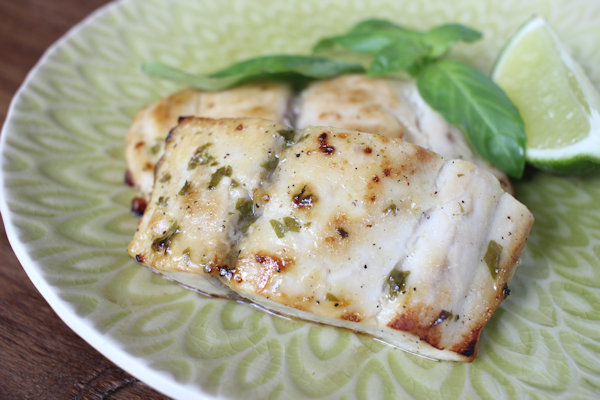
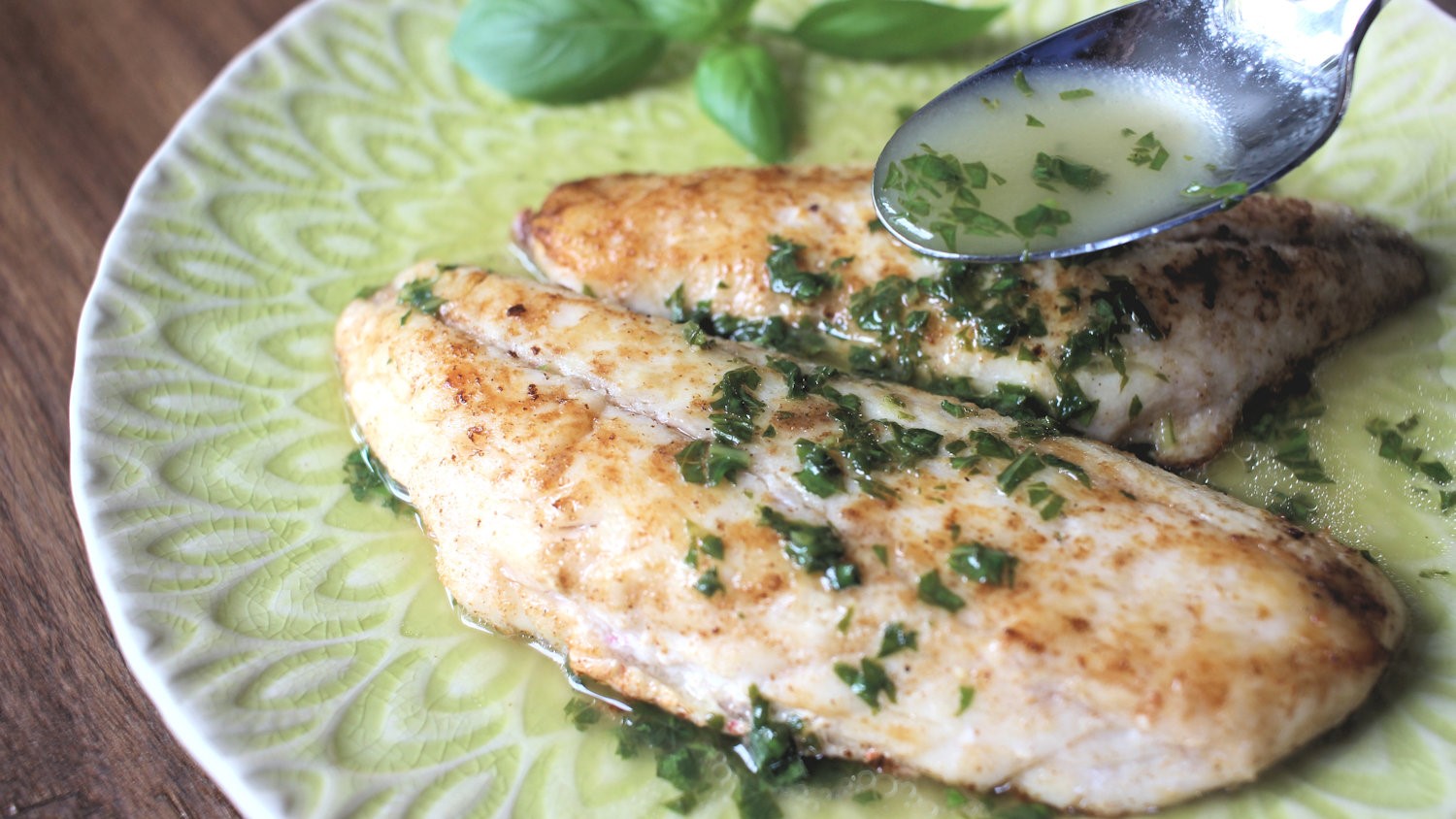
Last week, with Barry at the charcoal grill, we cooked some wahoo. Simply prepared, with a touch of fresh lime and some smoked paprika, it scored a perfect “5’ on our rating scale of 1 – 5.
- 1 ½ pounds wahoo steaks
- 3 tablespoons butter, melted
- 2 tablespoons fresh lime juice
- 1 teaspoon lime zest
- ½ tablespoon smoked paprika (Pimentón)
- ½ teaspoon salt
- ¼ teaspoon freshly ground black pepper
In small bowl, combine butter, lime juice, zest, smoked paprika, salt and pepper.
Place fish in baking dish. Cover both sides with marinade. Cover and refrigerate 20 minutes.
Place fish in well-oiled hinged wire grill. Cook about 4 inches from heat until done on one side, about 4 to 5 minutes. Turn and repeat on other side.
Contributed by Joyce Taylor
SEAFOOD IS SAFE TO EAT
Histamine fish poisoning accounts for one third of all seafood-borne illnesses reported in the United States.
Histamine is present in various amounts in many foods. Fresh fish at harvest, however, are virtually free of histamine, but post-harvest conditions that allow for the growth of spoilage bacteria can result in histamine formation. 
Human illness occurs rapidly after ingestion of fish with elevated histamine levels and lasts from several minutes to a few hours. Symptoms include allergic-like responses such as headache, dizziness, swelling of the tongue, nausea, vomiting, diarrhea and stomach pain. Histamine fish poisoning is usually self-limiting, and recovery is complete. Sensitive individuals may need to seek medical treatment.
Histamine is produced by certain spoilage organisms through action of enzymes which converts the amino acid histidine to histamine. The disease is completely preventable by proper icing of fish at harvest and maintaining iced conditions throughout distribution and storage.
For proper icing methods, read “How to Bring Home Your Fish” or for more information on histamine fish poisoning, go to Sea Grant
Contributed by David Green
North Carolina Fisheries
Wahoo are common to the tropical and subtropical waters of the Atlantic Ocean. The top half of their body is steel blue while their bottom half is pale blue in color. They have a series of 25 to 30 irregular blackish-blue vertical bars on their sides and a large mouth with strong, finely serrated teeth.
Wahoo produce 560,000 eggs (for a 13.52 pound wahoo) to 45 millions eggs (for an 87.1 pound wahoo). The spawning seasons is usually May through October; however, wahoo are believed to spawn year-round in the tropics. Wahoo grow rapidly during their first year or two and reach maturity at two years.
Wahoo commonly attain sizes between 40 and 65 inches in length and have a life span of five or six years. This species are common in tropical waters year round but will migrate to northern latitudes during the summer season.
Wahoo are frequently found alone or in small, loosely connected groups rather than compact schools. They are voracious eaters and typically prey on mackerels, butterfishes, round herrings, scads, pompanos, porcupine fishes and flying fishes.
Wahoo in South Atlantic waters is managed by the South Atlantic Fishery Management Council, but are not regulated in the Gulf of Mexico. The population of wahoo in both the South Atlantic and the Gulf is unknown.
Atlantic wahoo has historically been a recreational fishery, but are caught commercially by longliners fishing for dolphin or other pelagic species. Commercial regulations include a trip limit of 500 pounds and a recreational limit of two wahoo per person per day.
For more detail on this species, go to http://www.nmfs.noaa.gov/fishwatch/species/atl_wahoo.htm
Contributed by Barry Nash
ANOTHER FRESH SEAFOOD IDEA
Many species of triggerfish are brightly colored with patterns of varying shapes. But the one we most commonly see from Florida to Massachusetts is the gray triggerfish. 
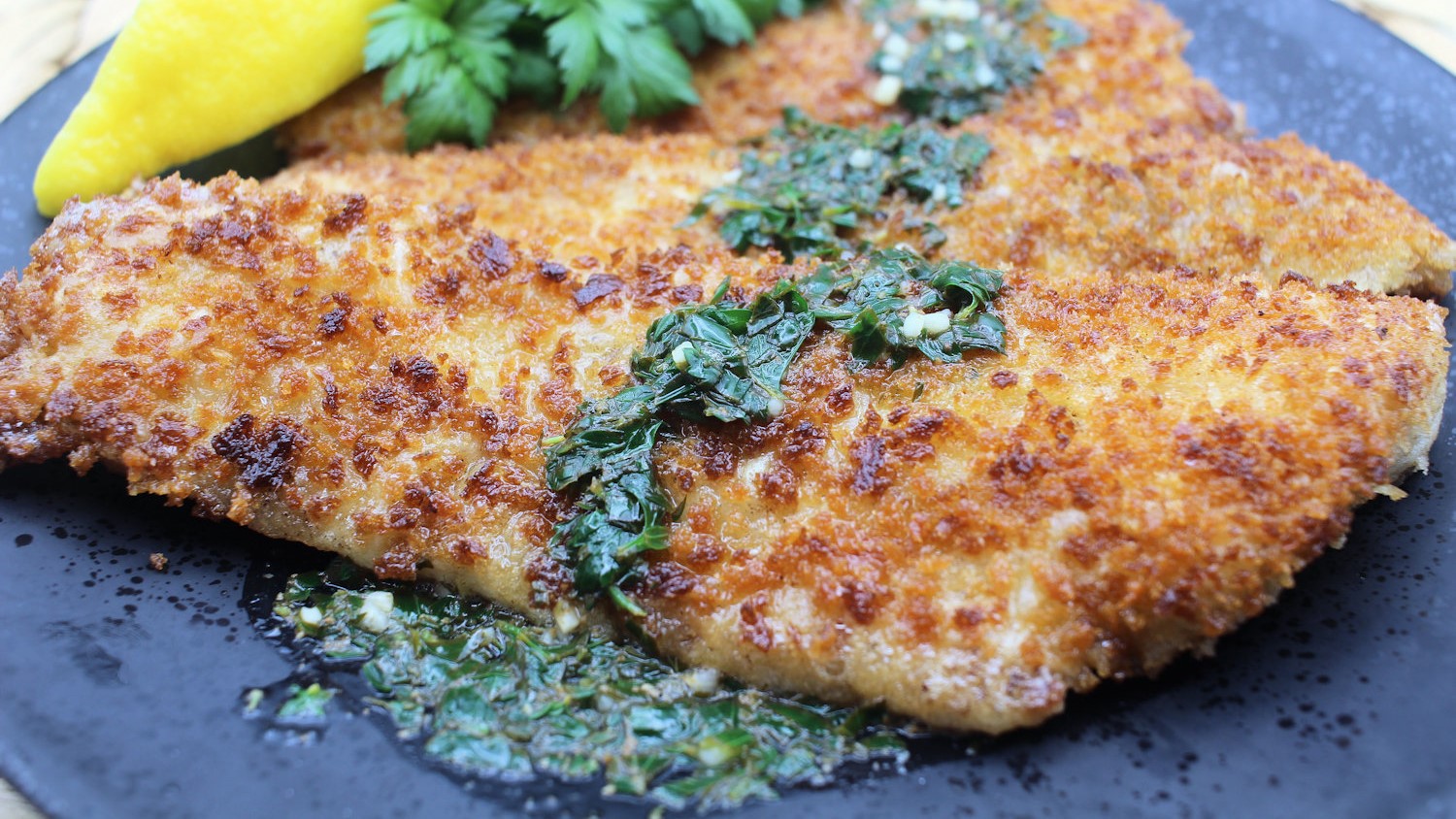
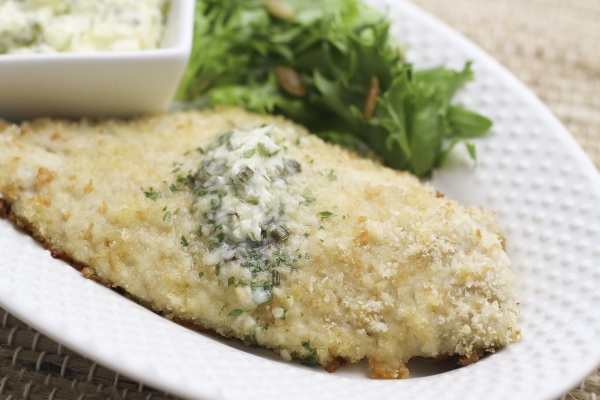
The gray triggerfish’s firm, white meat is excellent cooked in some of your favorite ways–fried, baked, broiled and in chowders. It is also delicious when smoked.
This recipe is basic and easy.
- 2 pounds triggerfish, cut into 1-inch chunks
- 2 eggs
- 3 tablespoons water
- 1 teaspoon salt
- ½ teaspoon freshly ground white pepper
- 1 cup flour
- 1 ½ cups fresh French bread crumbs
- ¼ cup canola oil
- ¼ cup margarine or butter
In medium bowl, beat eggs with water, salt and pepper. Place flour in shallow dish. Dredge fish in flour. Dip into egg mixture and let excess drain off. Coat with bread crumbs.
Heat oil in large skillet to 375 F. Add margarine and melt. Place part of fish in skillet, being careful not to overcrowd. Cook until golden brown on one side, about 4 to 5 minutes. Turn and repeat on other side. Drain on paper towels. Repeat with remaining fish. Serves 8 to 10
From: Mariner’s Menu: 30 Years of Fresh Seafood Ideas.
Contributed by Joyce Taylor.